

88 Little Symphonies (2024)
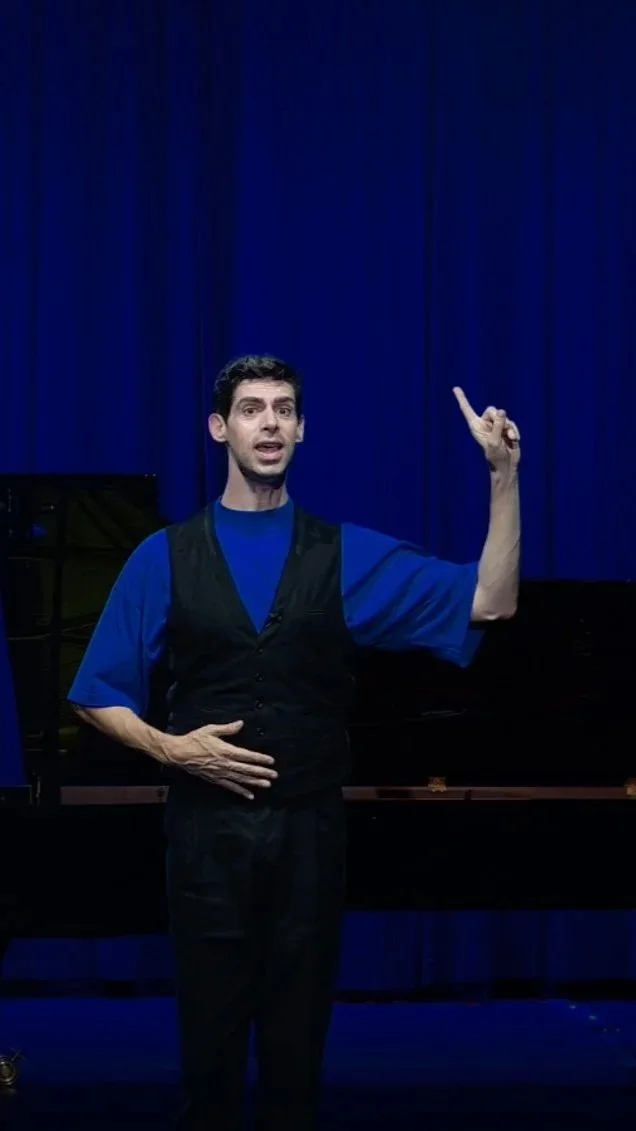
written, directed, visualised and performed by Stephanos Droussiotis
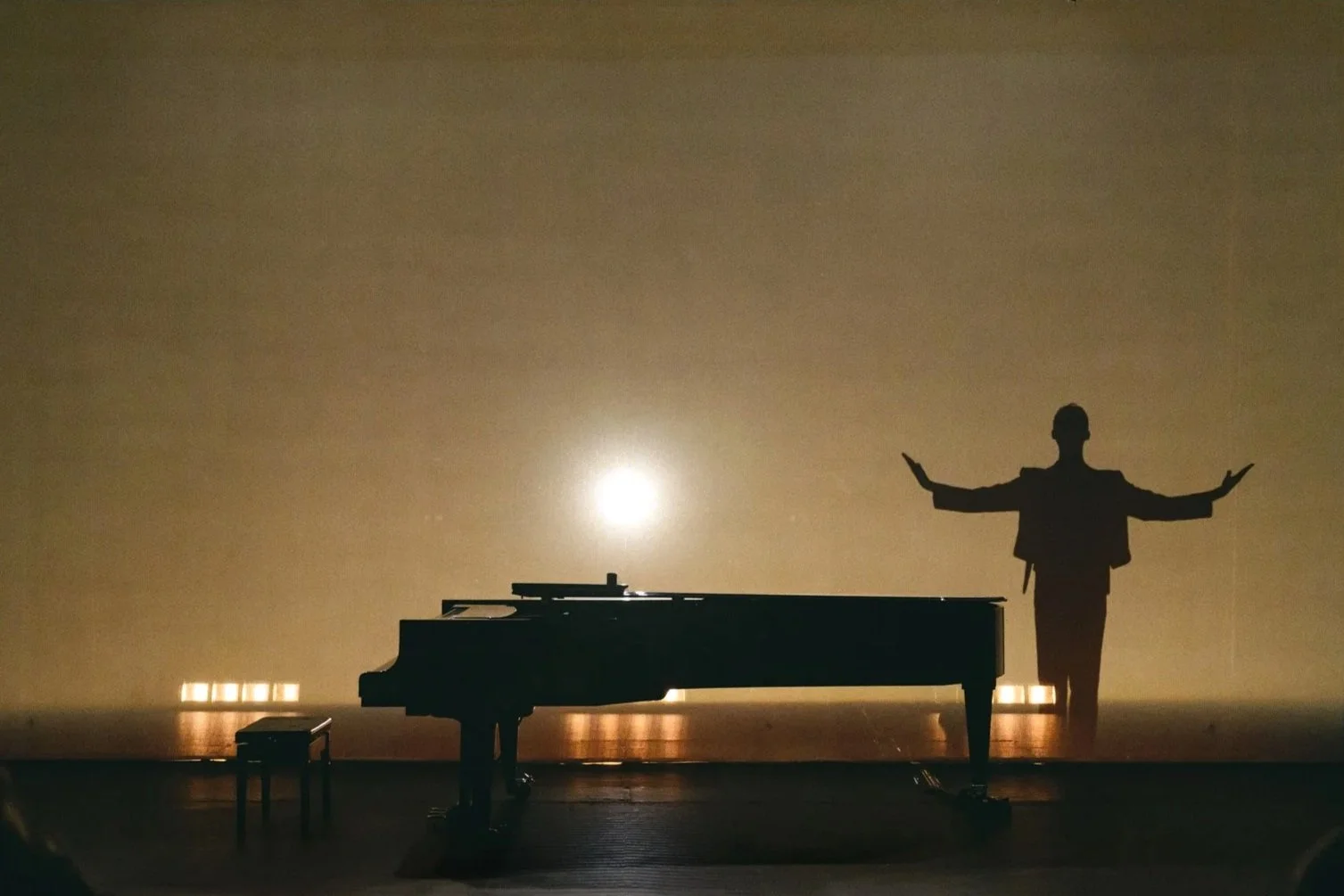
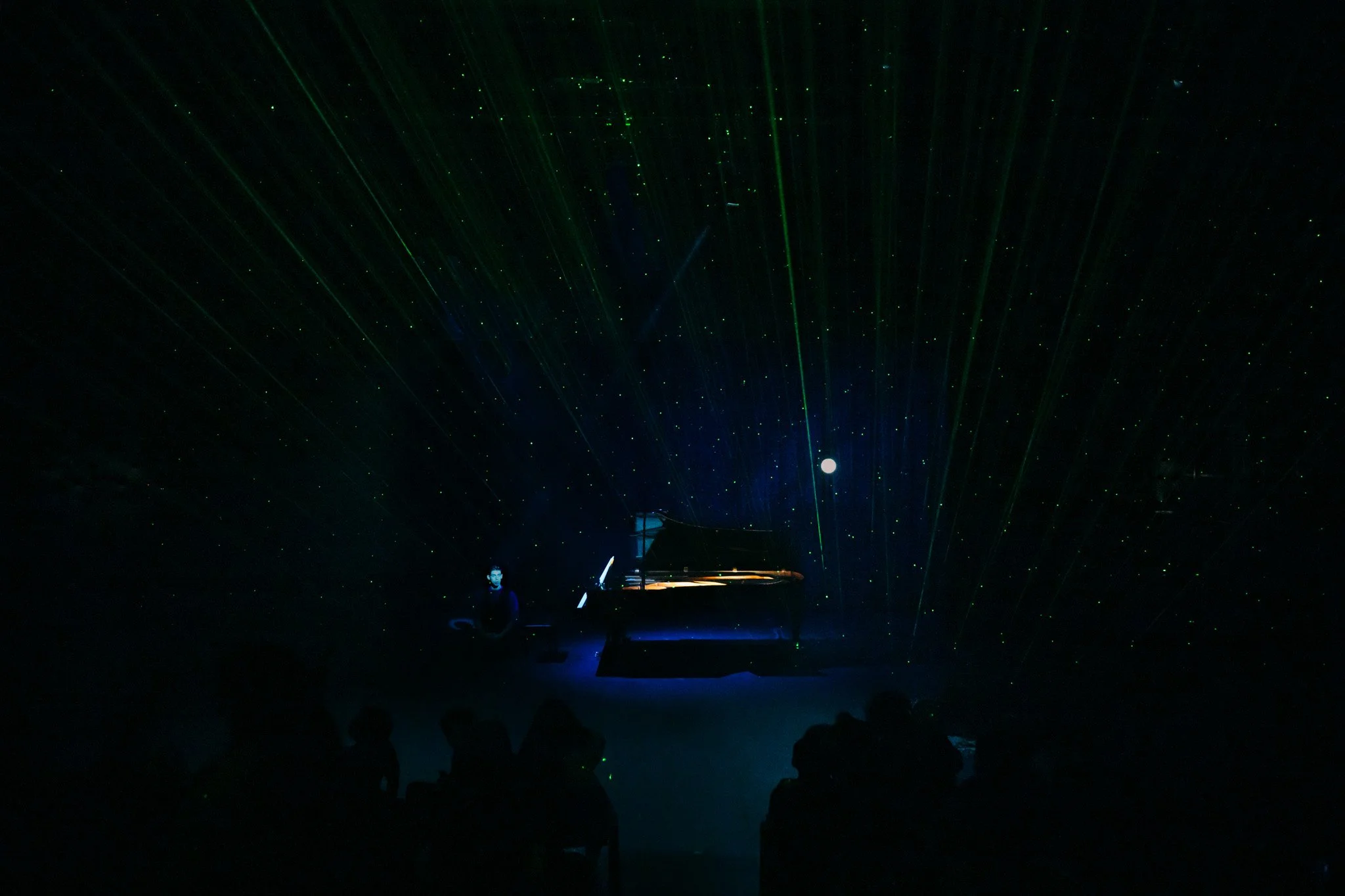
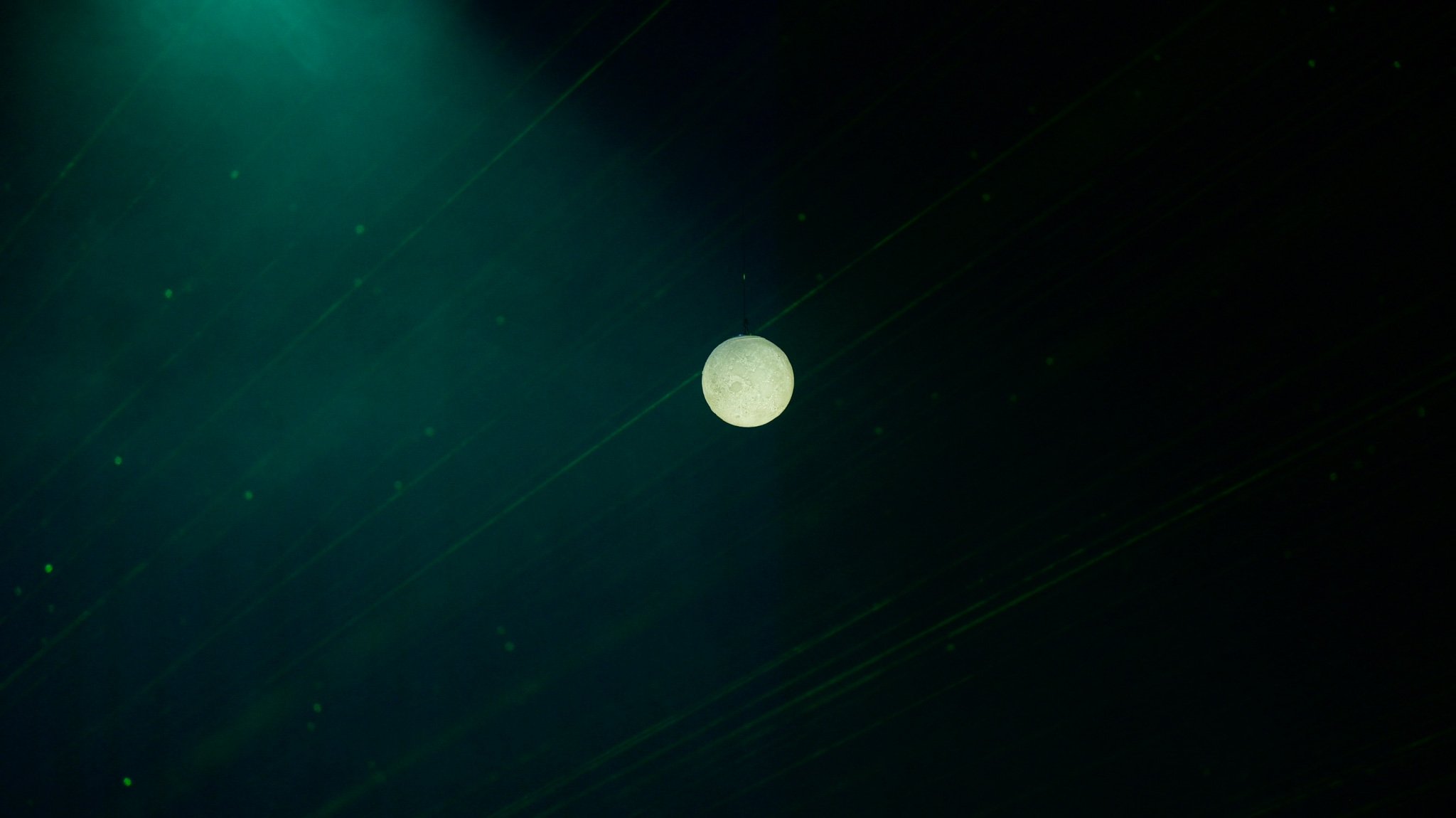
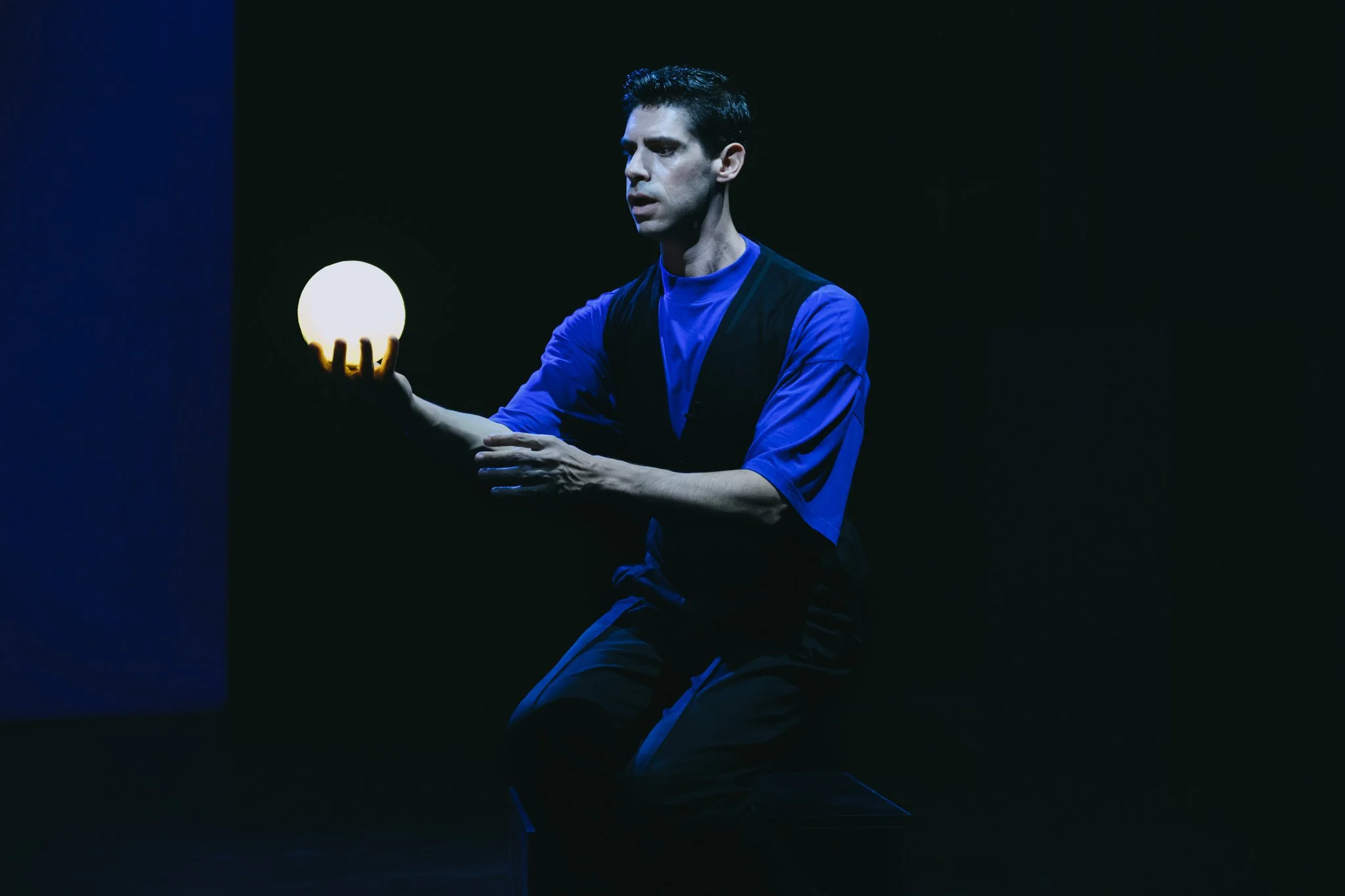
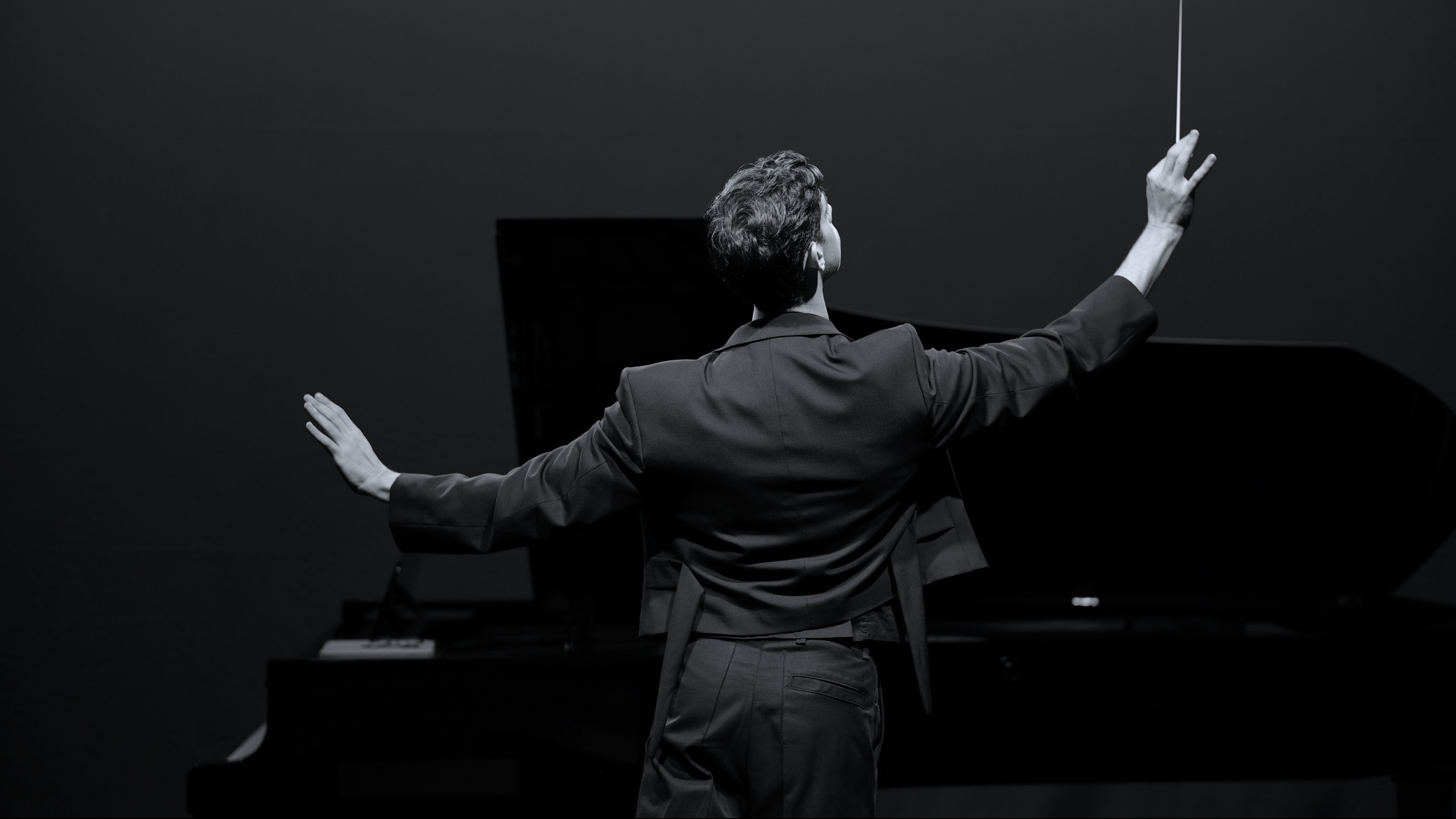
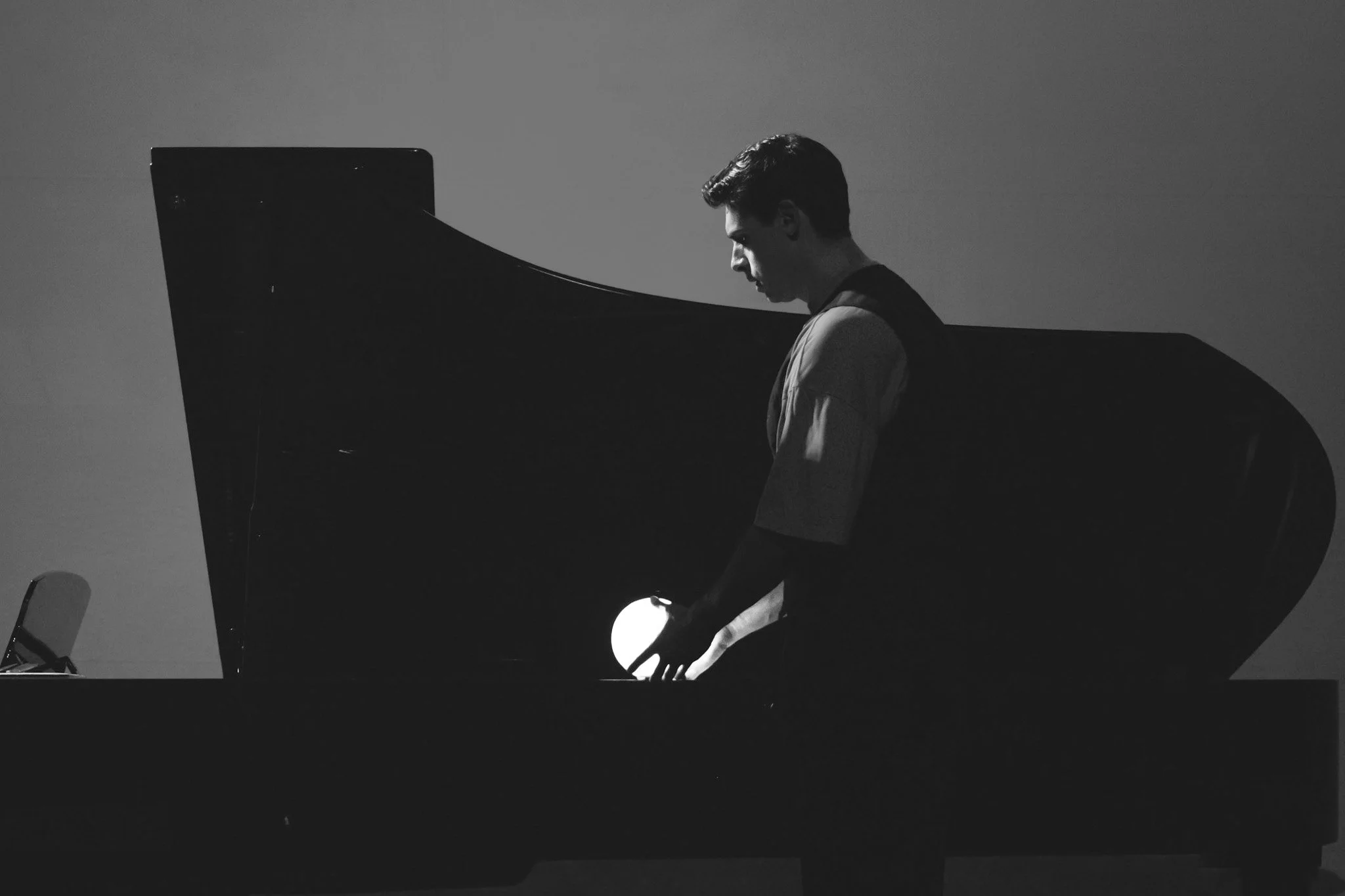
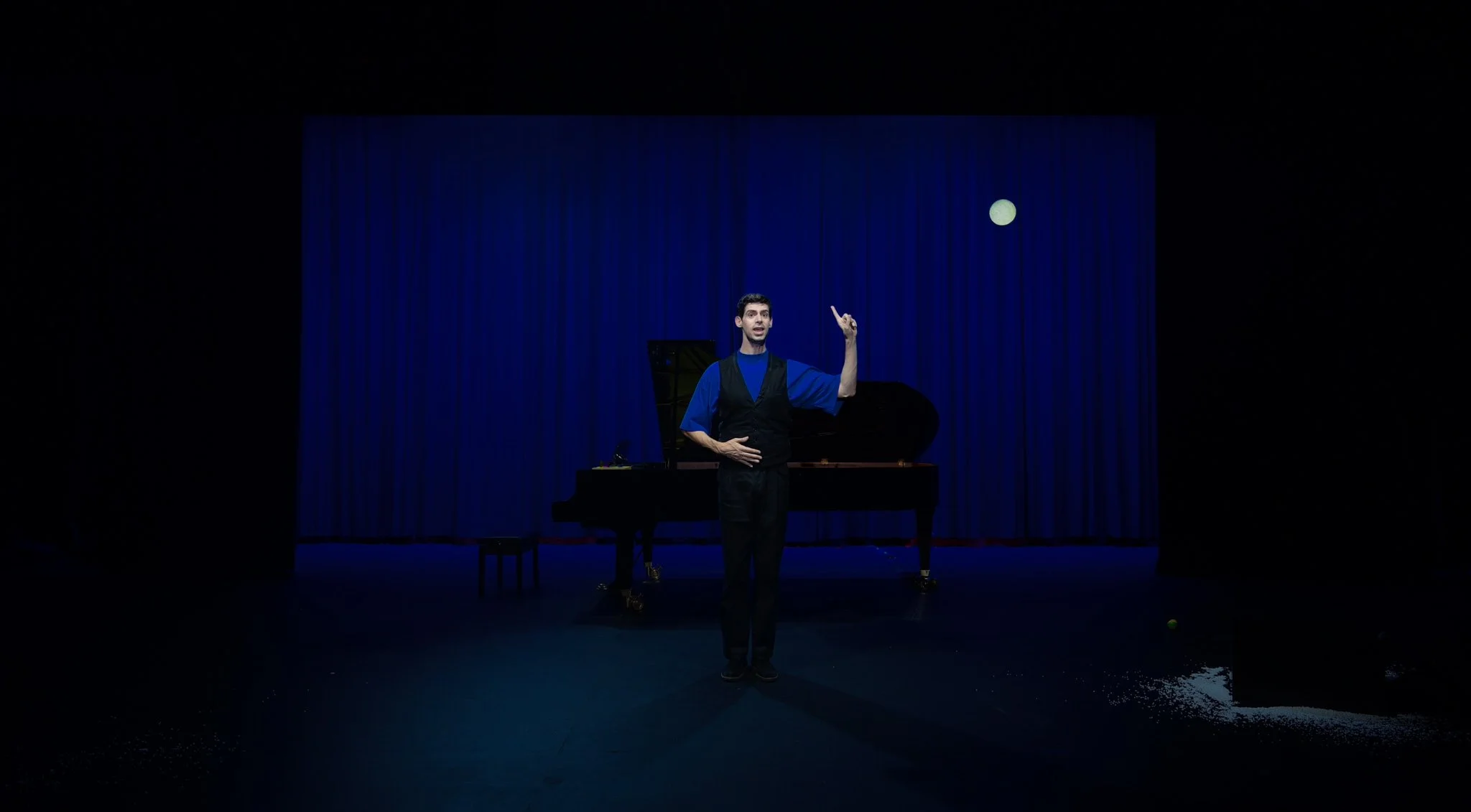
a children’s play for a grand piano, two celestial bodies and an invisible orchestra.
Commissioned by the Rialto Theatre, 88 Little Symphonies is an original piece for the stage written, directed and visualised by Stephanos Droussiotis. The piece aims to serve as an accessible and imaginative introduction to the world of classical music, opening new pathways of listening for young audiences.
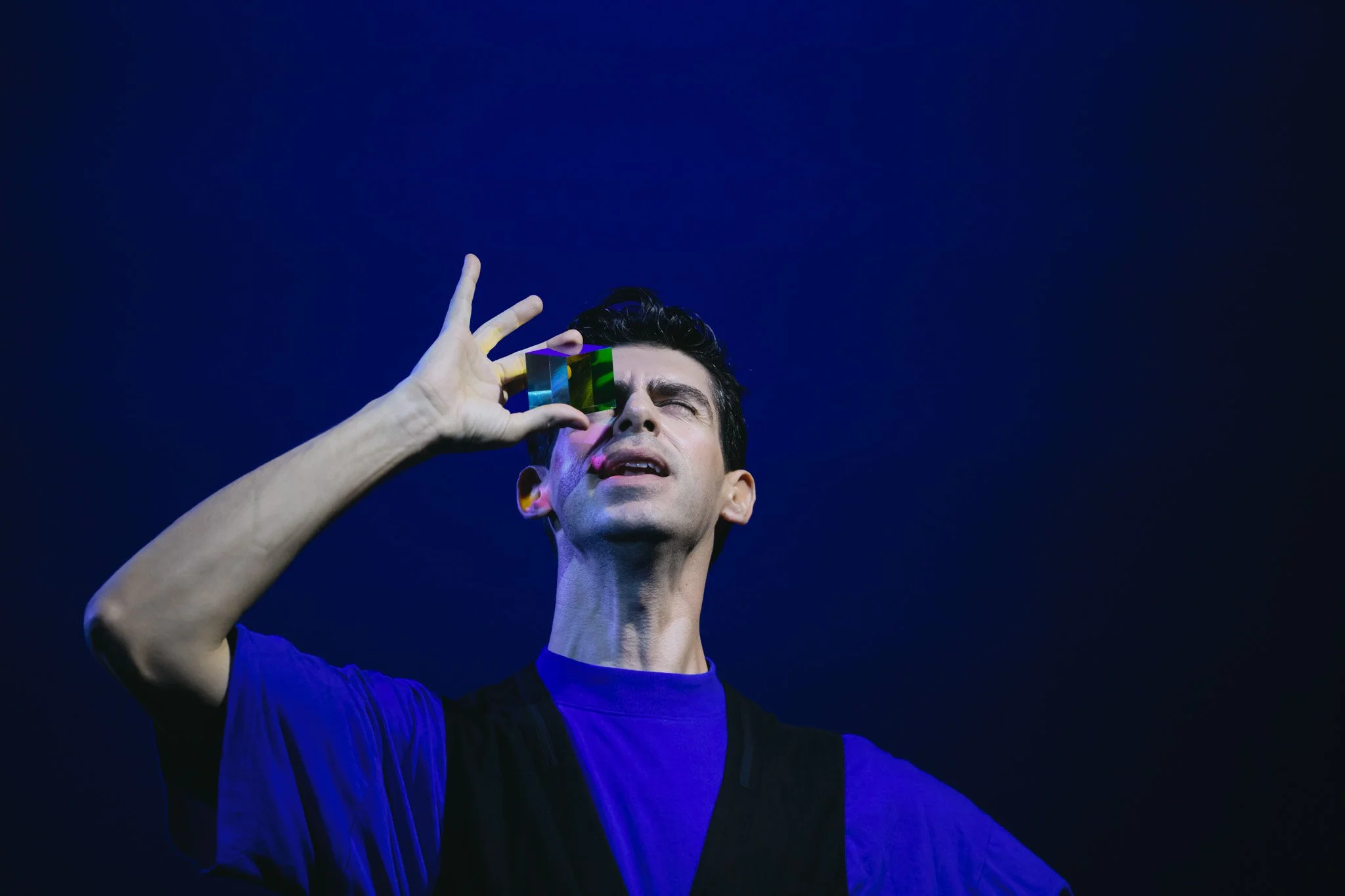
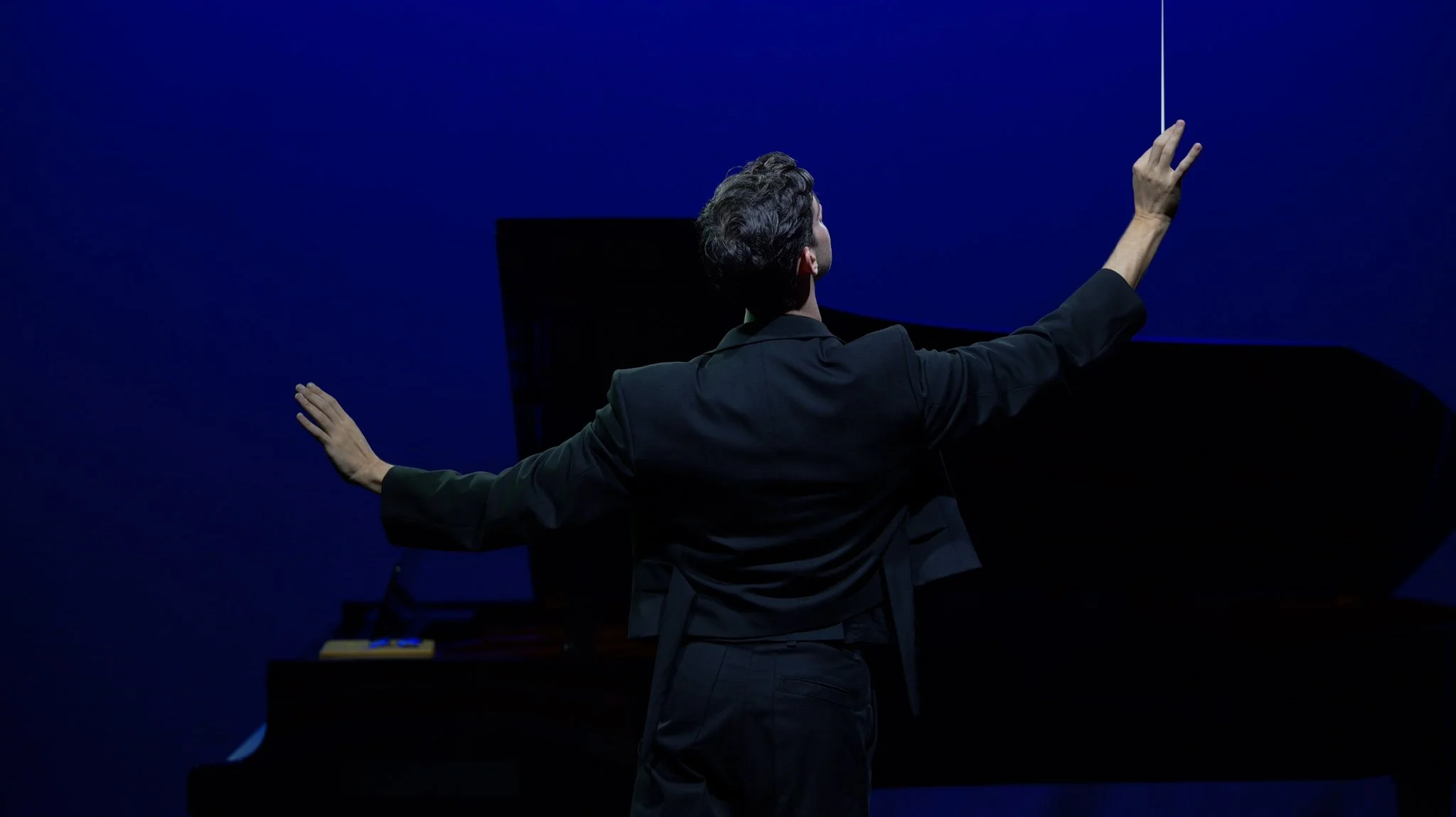
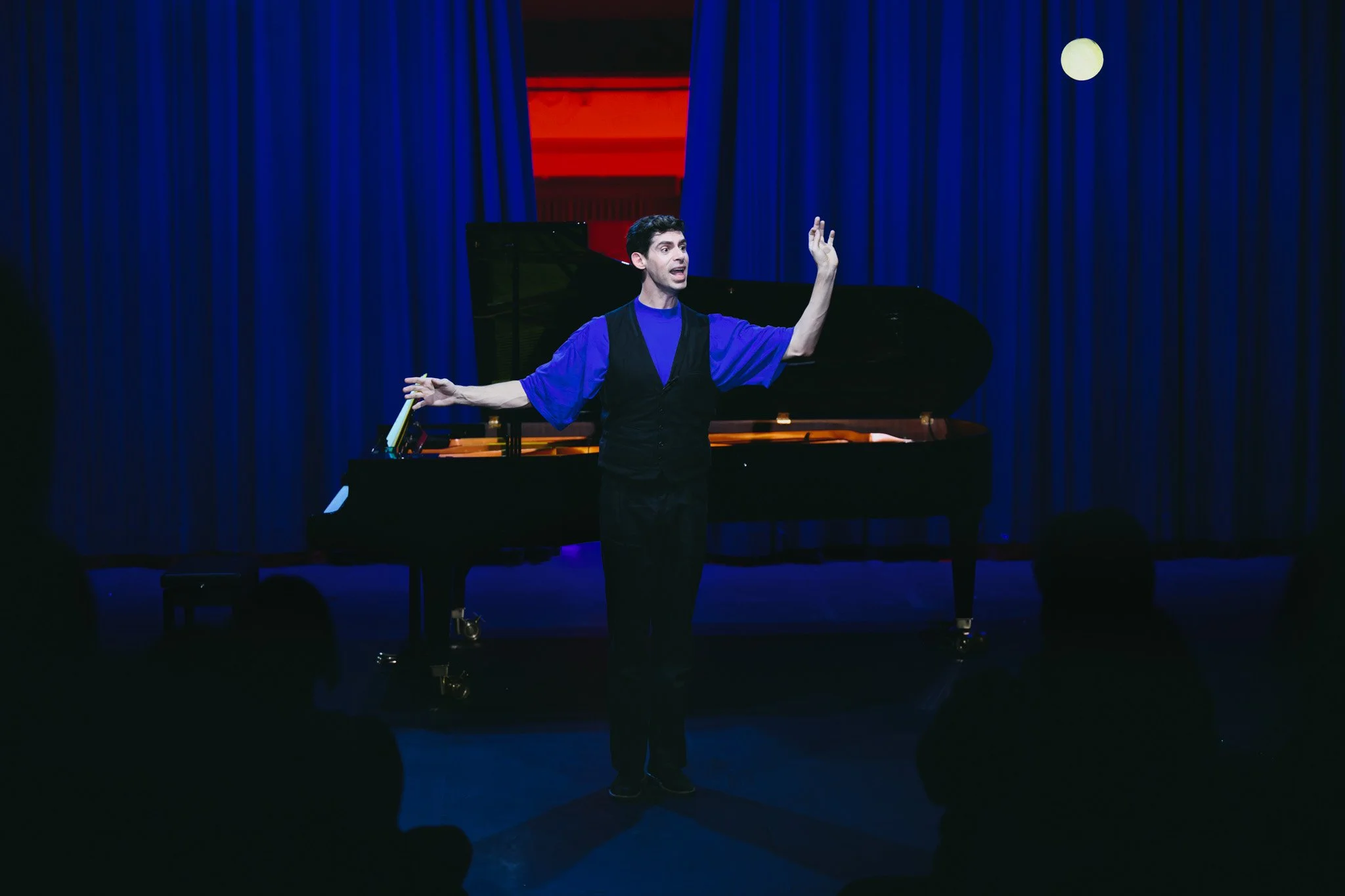
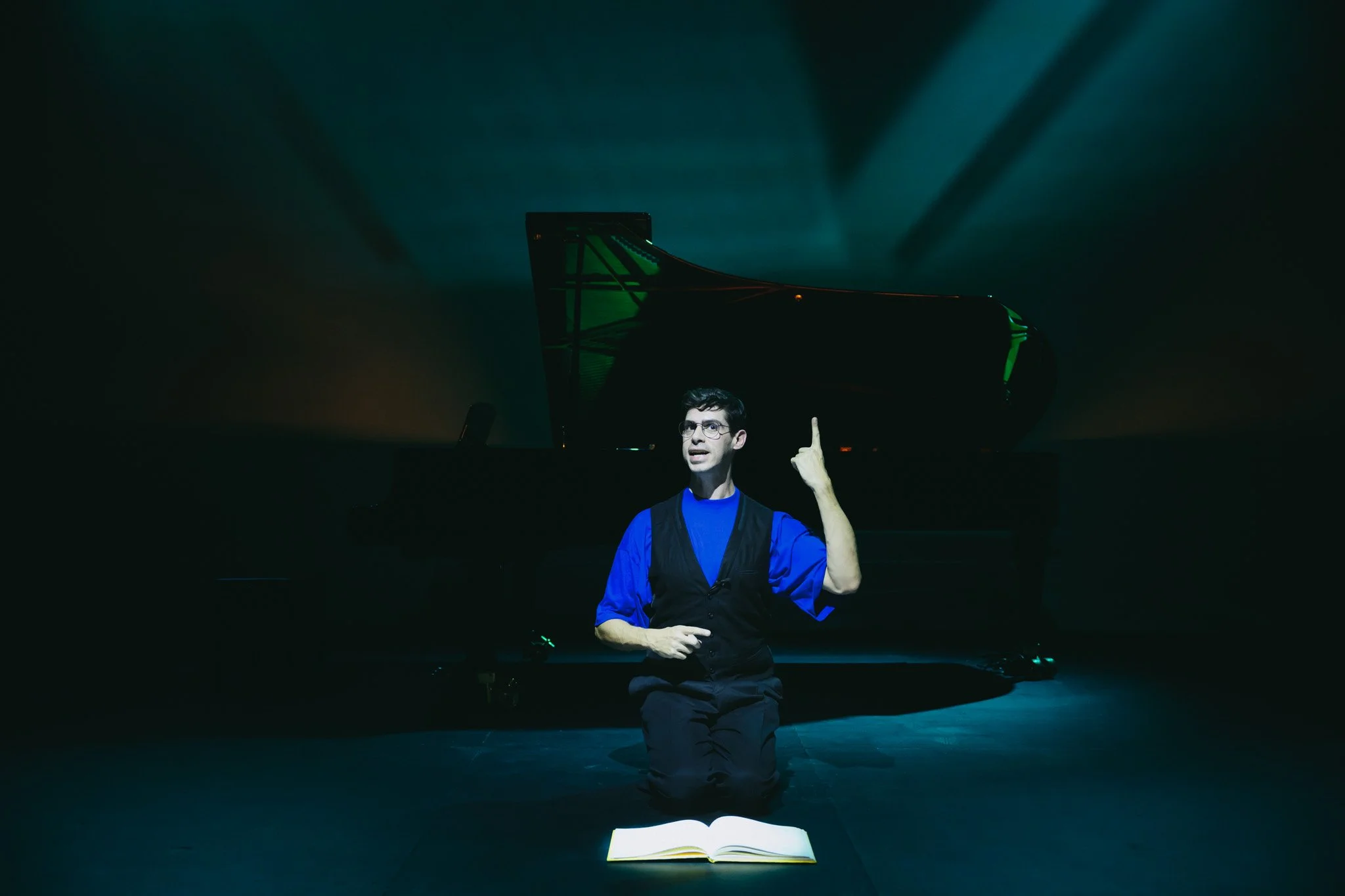
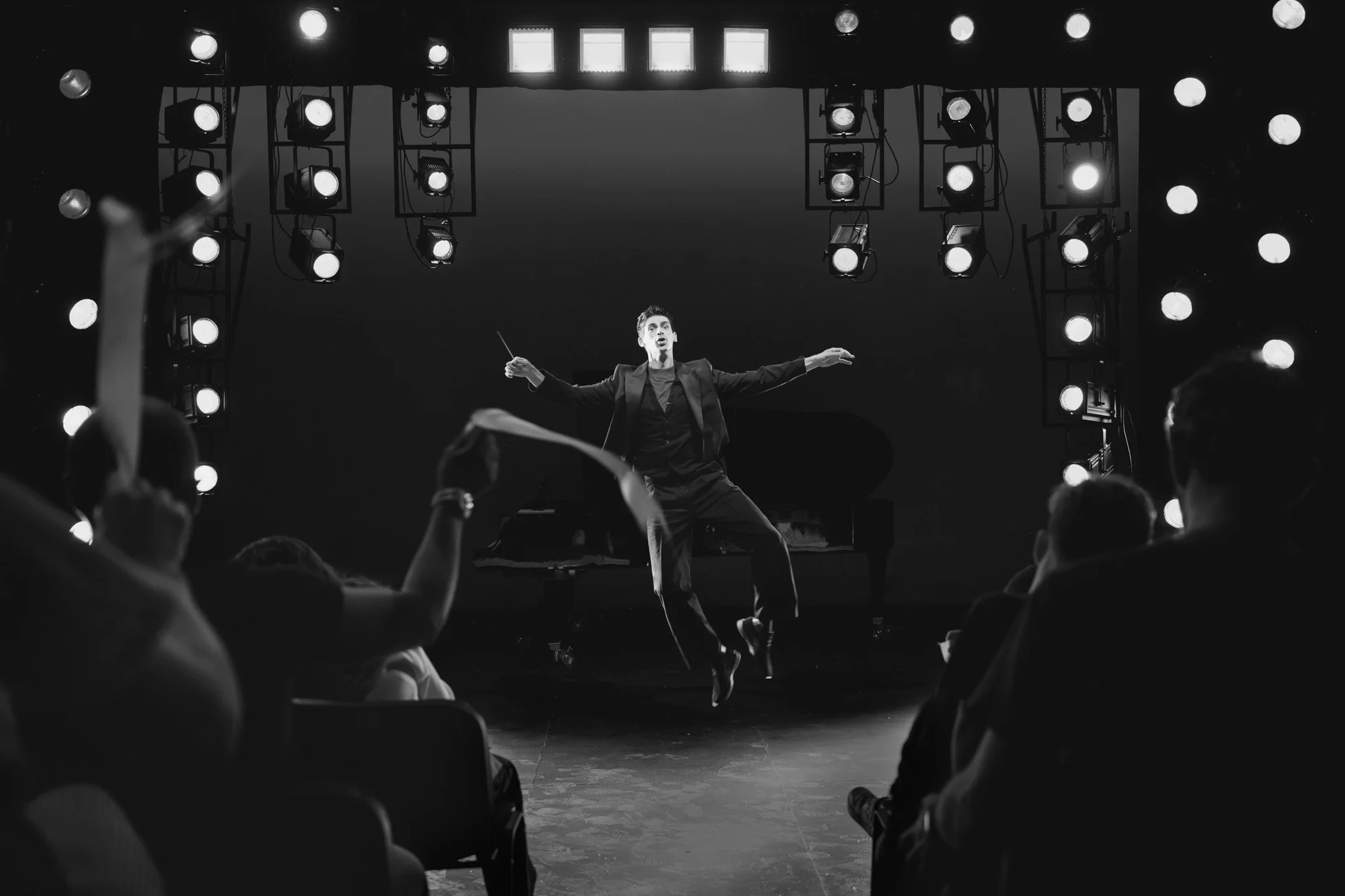
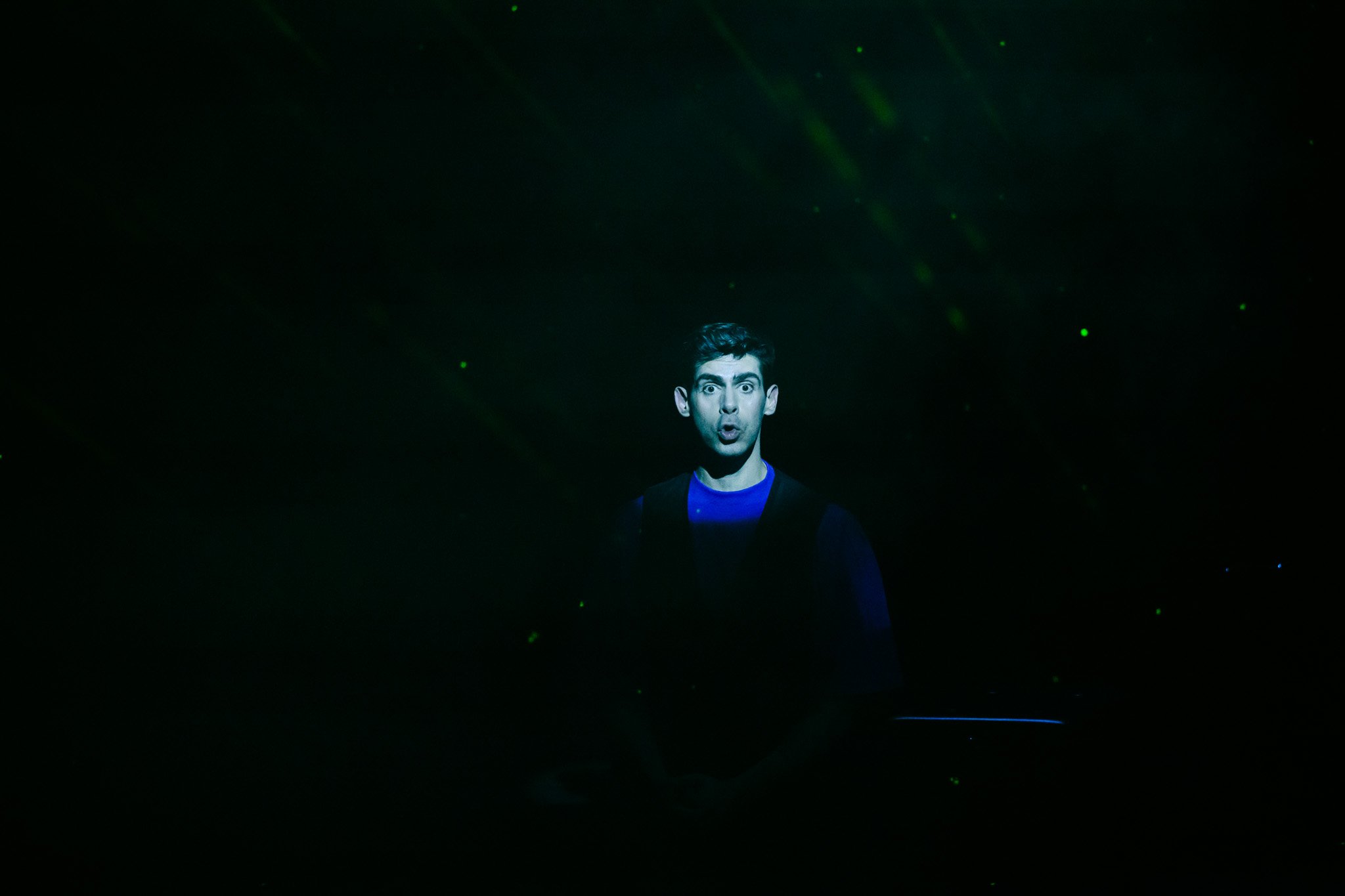
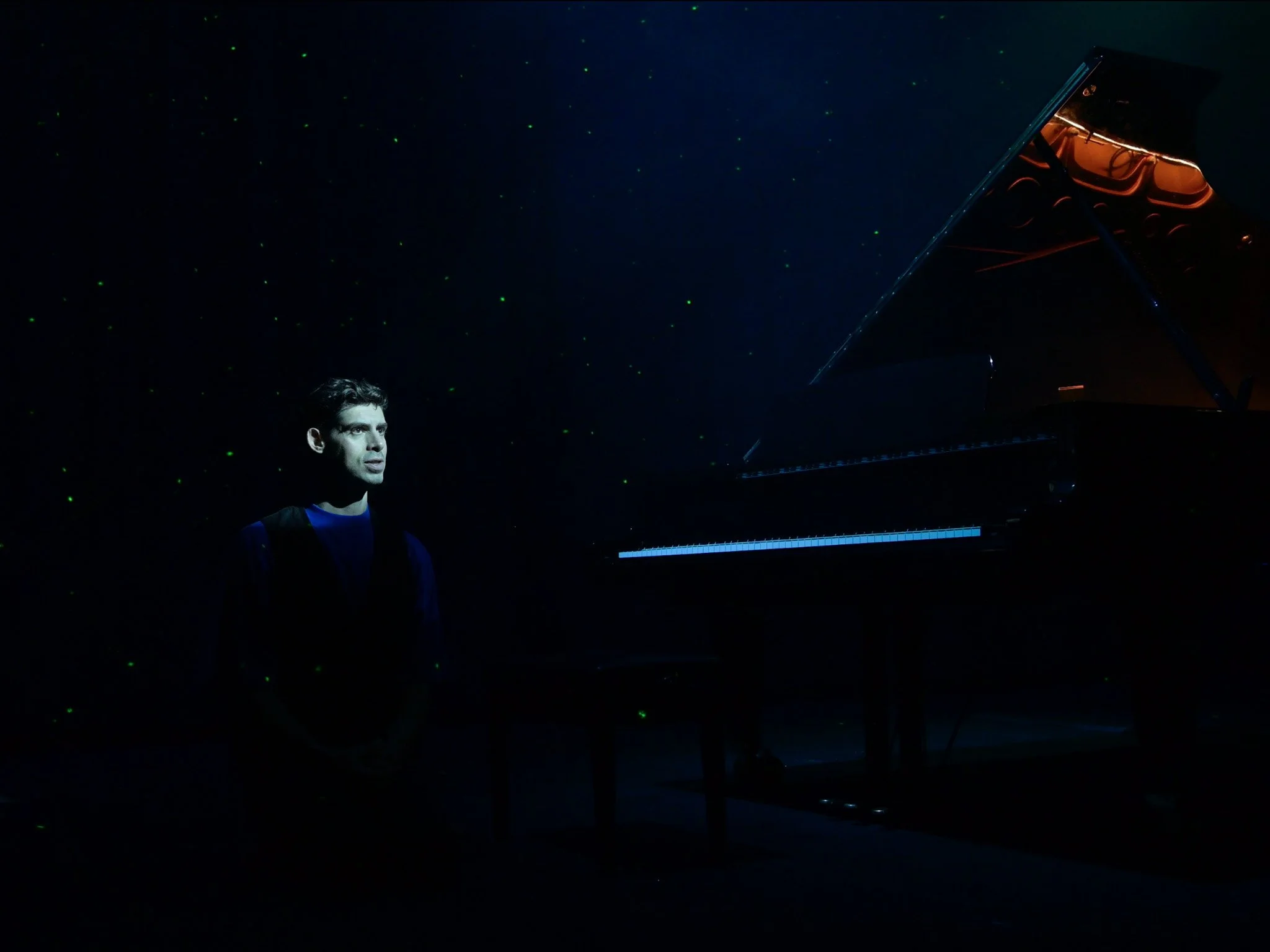
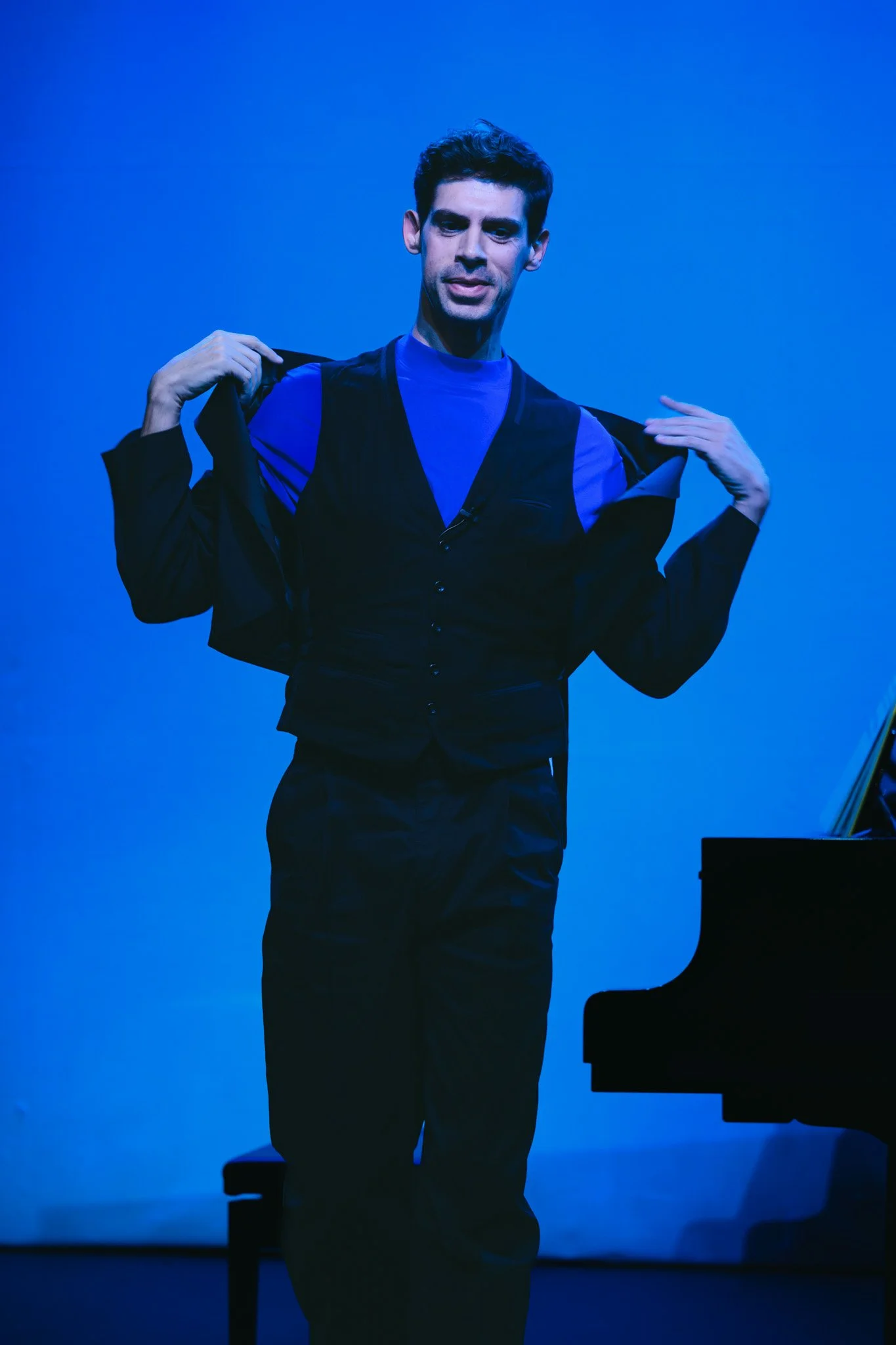
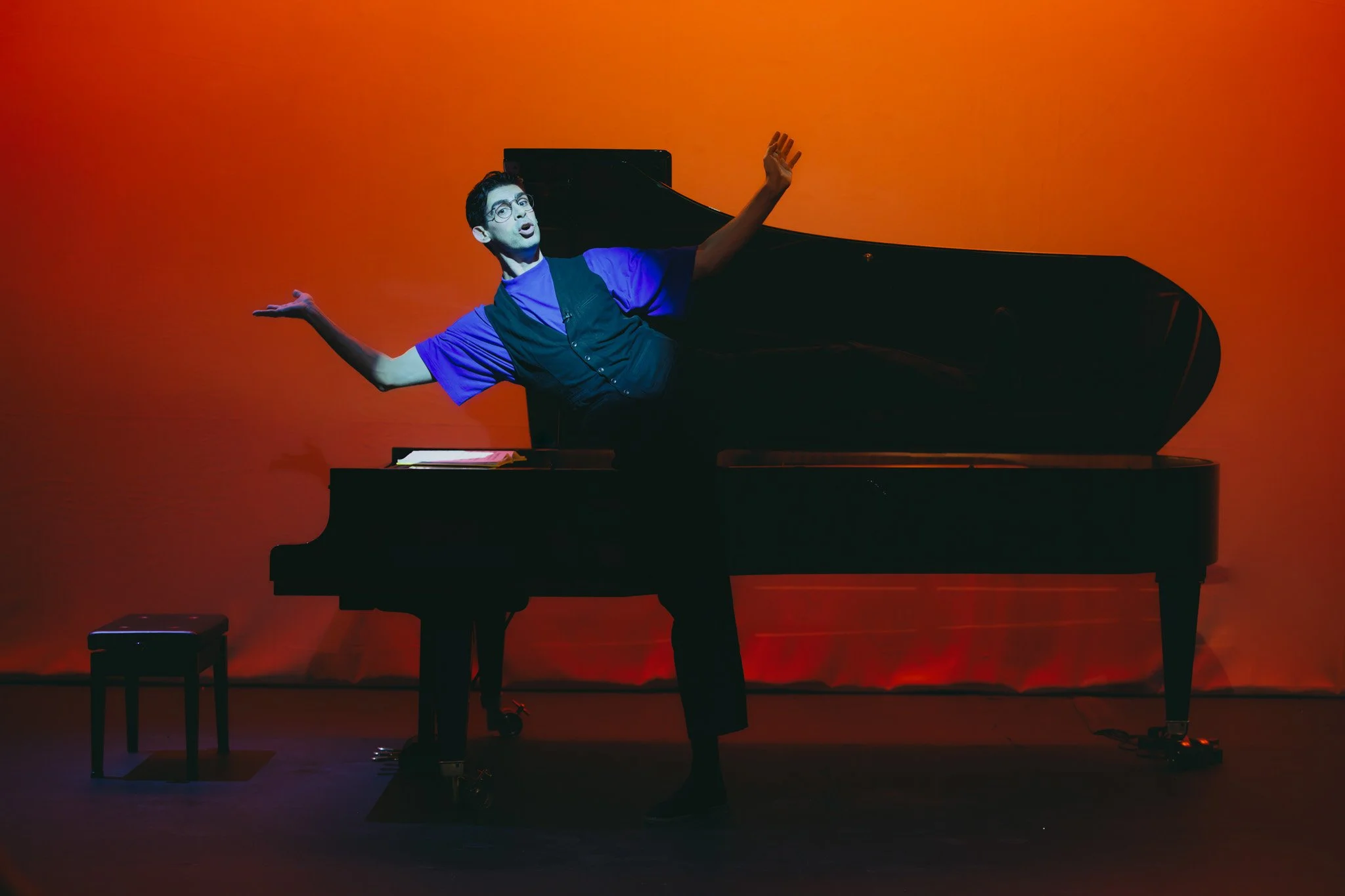
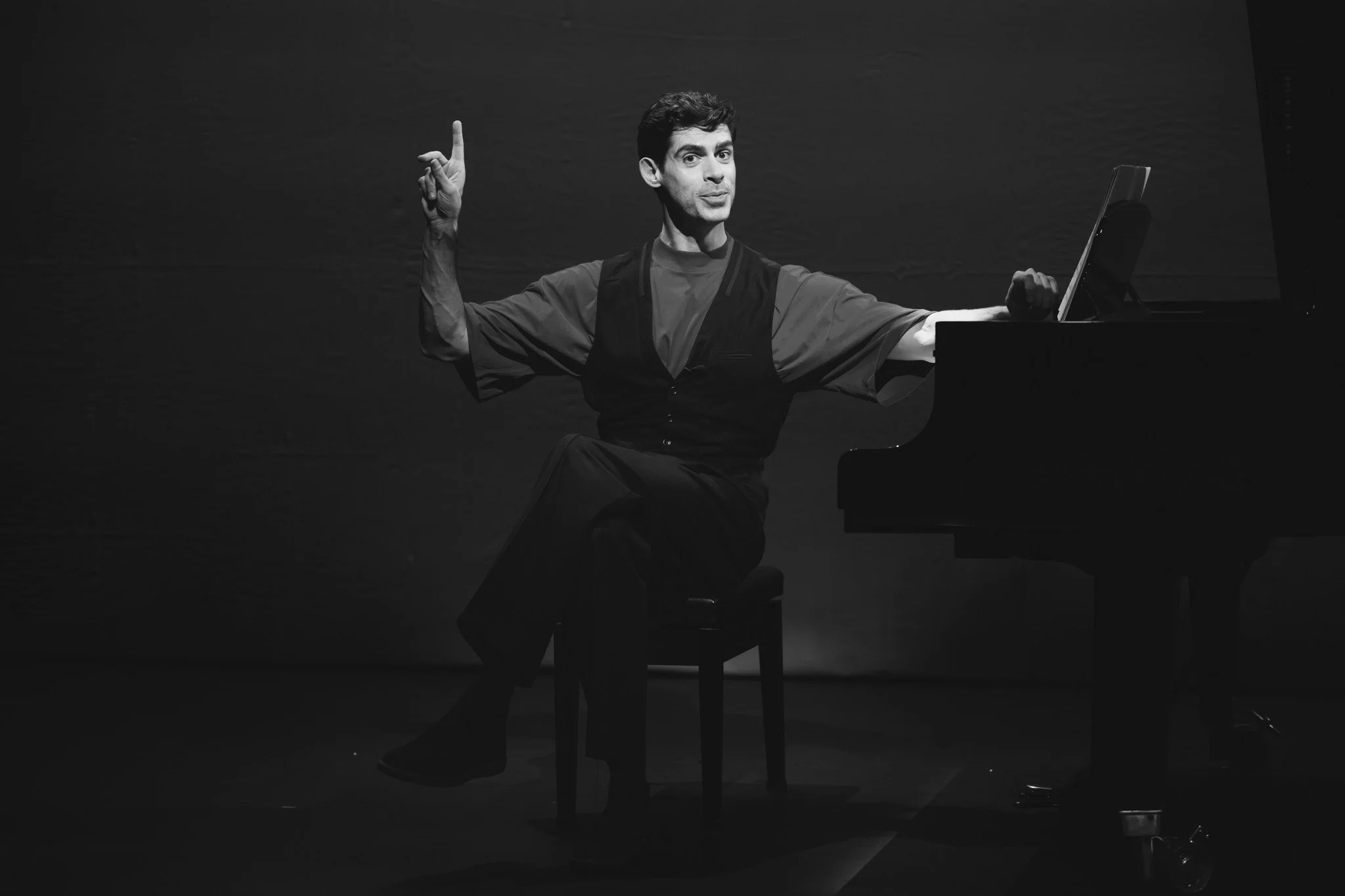
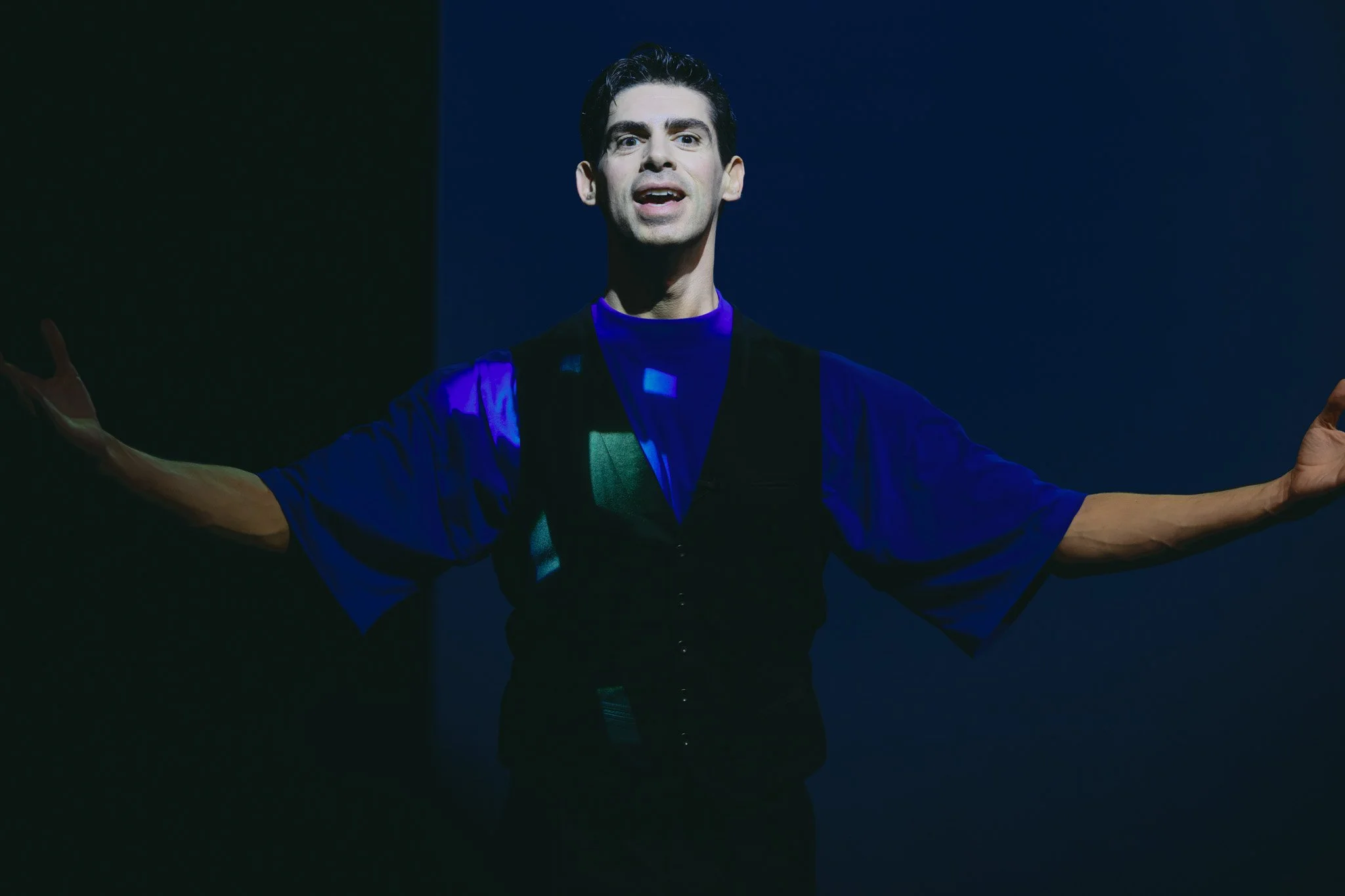
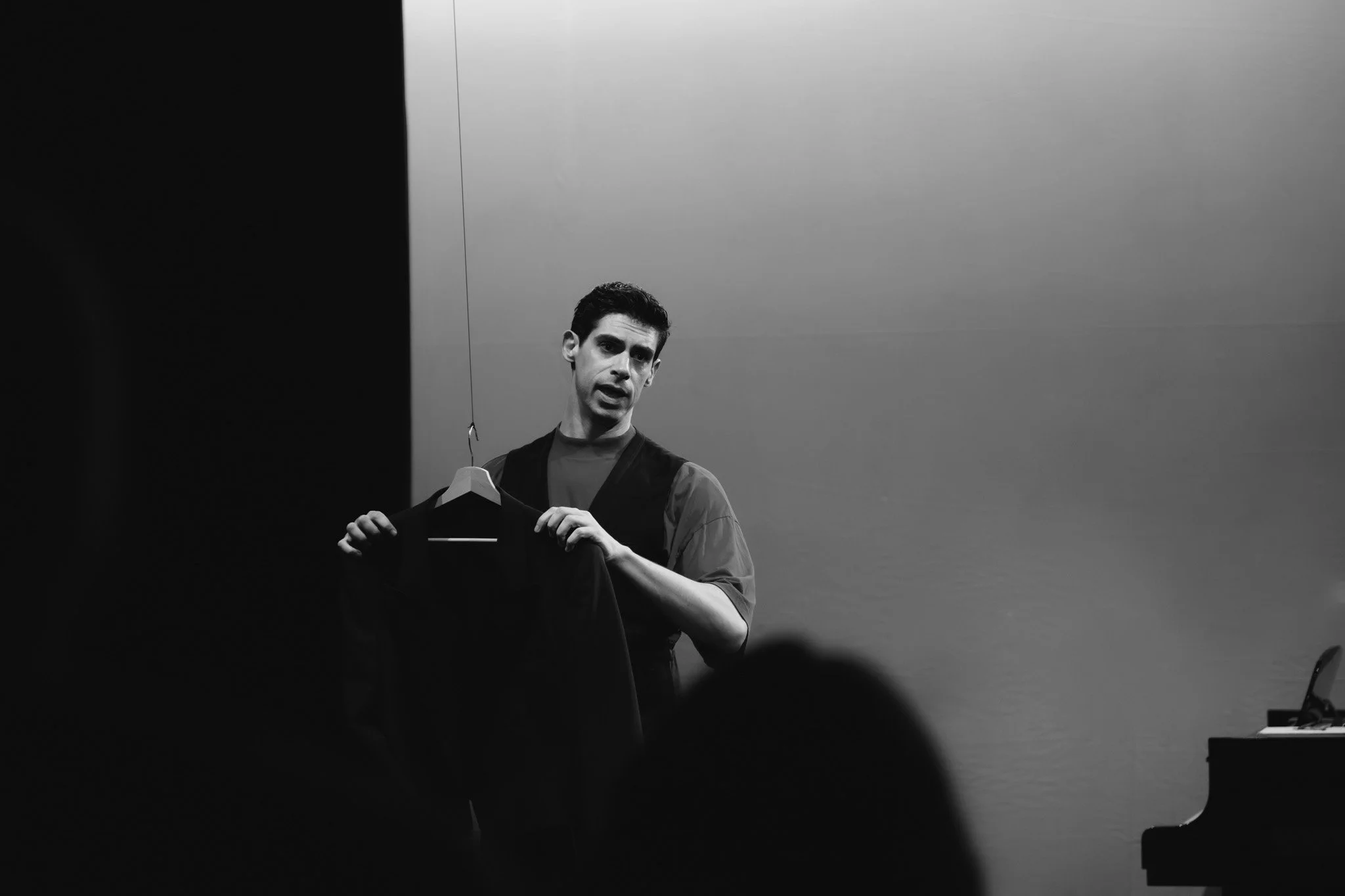
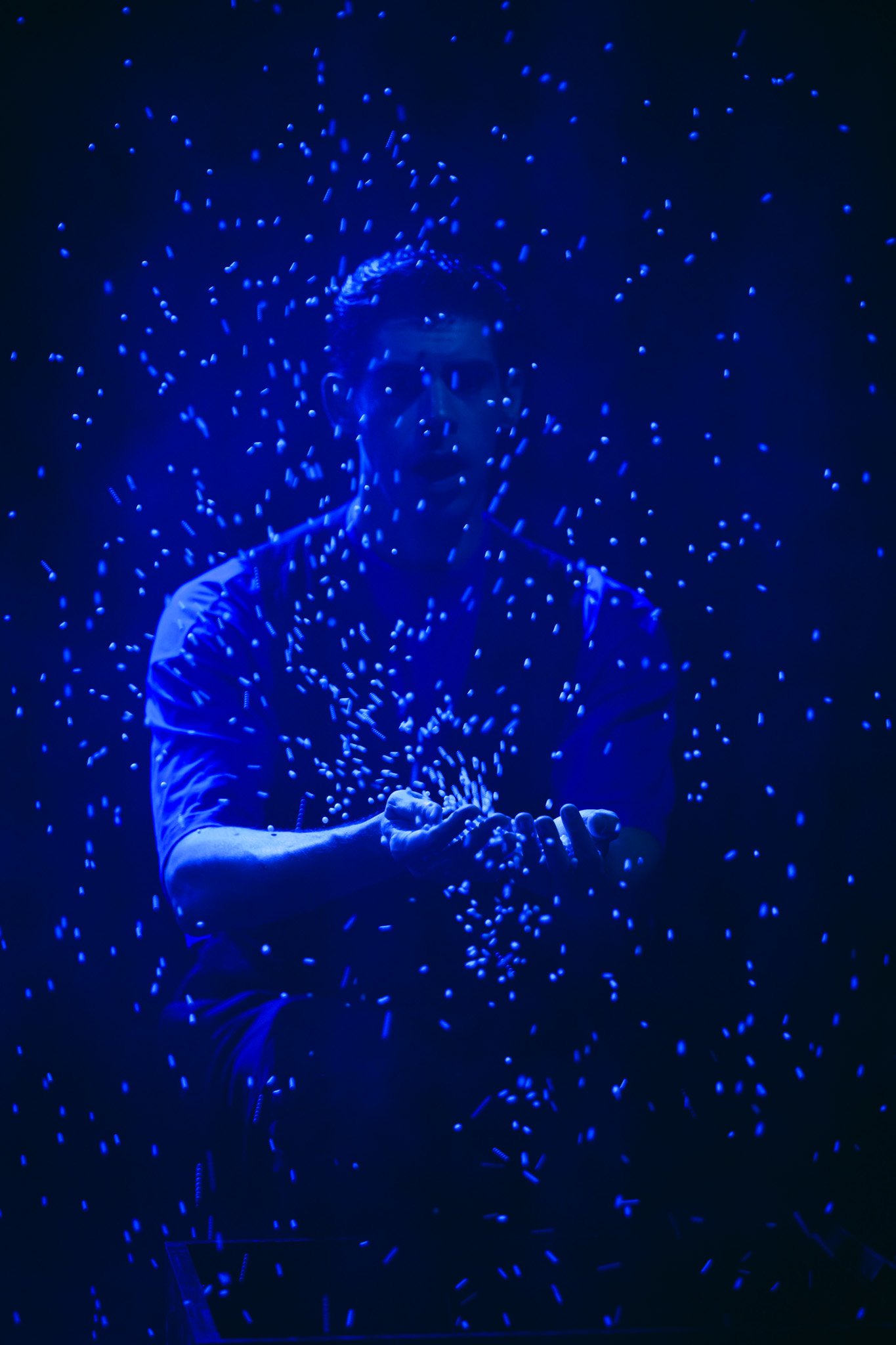
Structured as a playful, theatrical lecture, the performance unfolds through a single, multifaceted character who is part teacher, part magician, part conductor and part a gentle know-it-all. Performed by the creator himself, the character takes the young audience on a journey of musical and theatrical experiences, balancing a pedagogic approach to music theory with humour, curiosity and moments of quiet wonder. The performance invites young audiences to experience music through the senses over cognitive understanding, just like when tasting something rich and delicious, where the sensual experience precedes intellectual analysis.
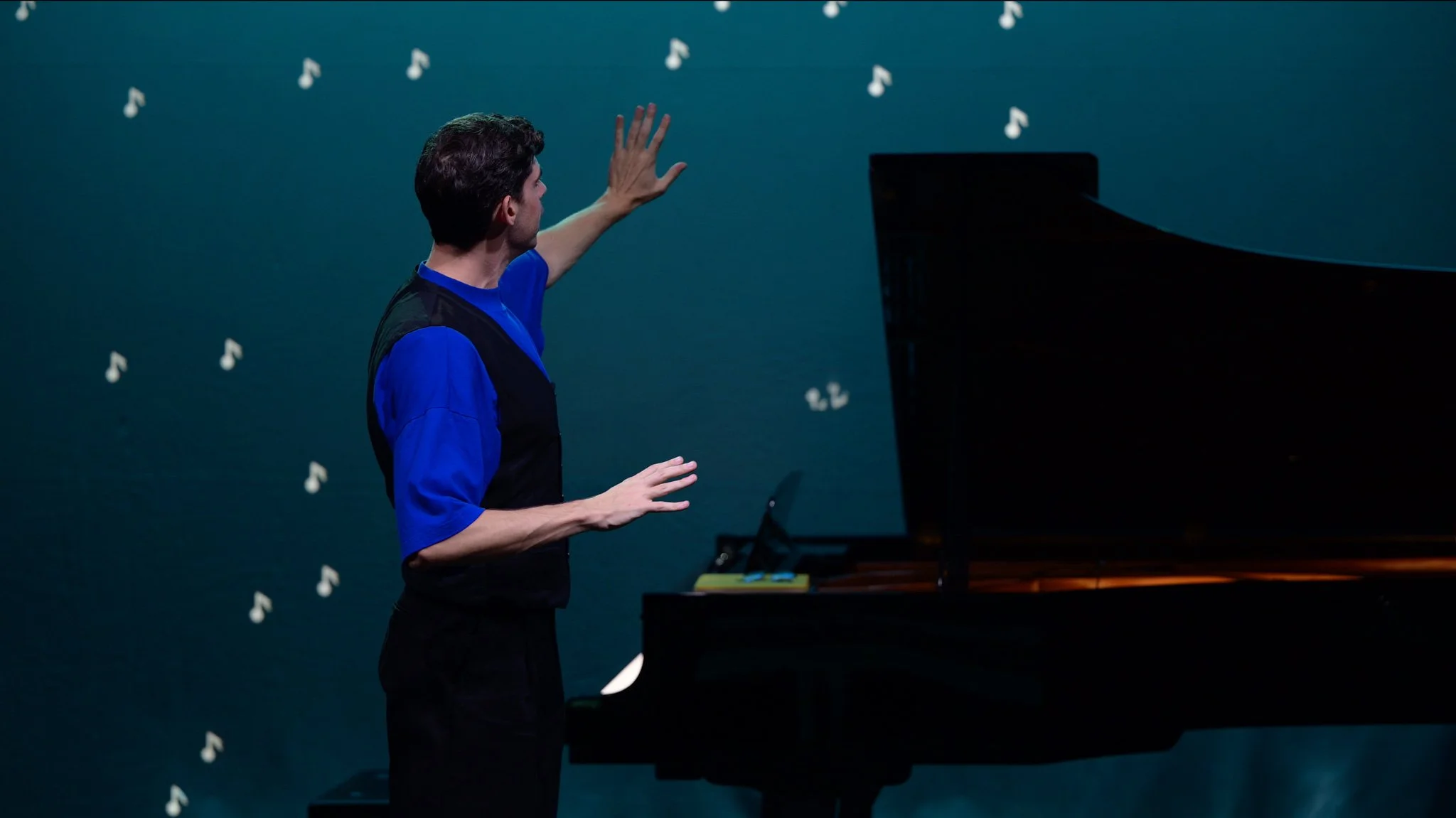
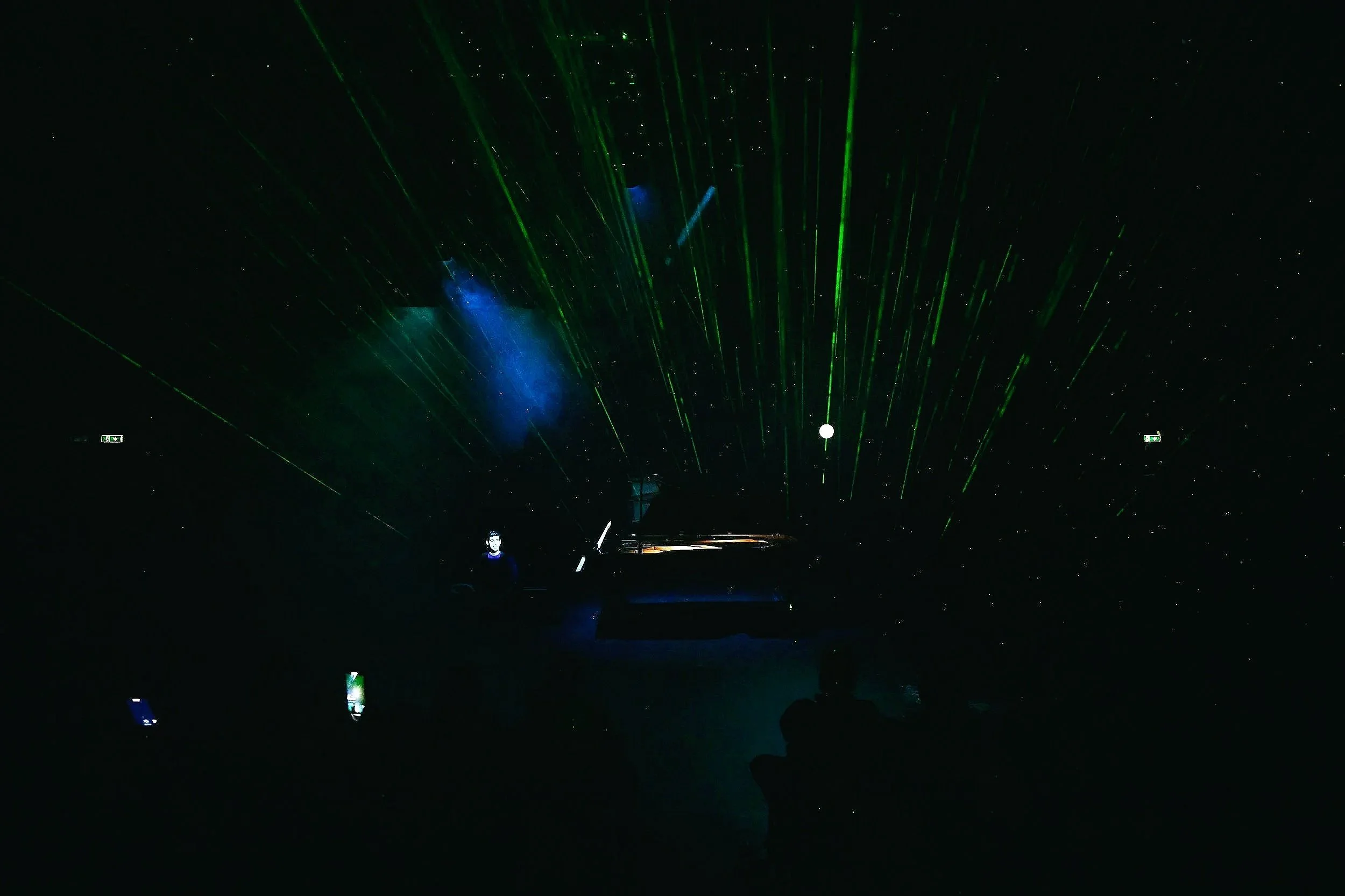
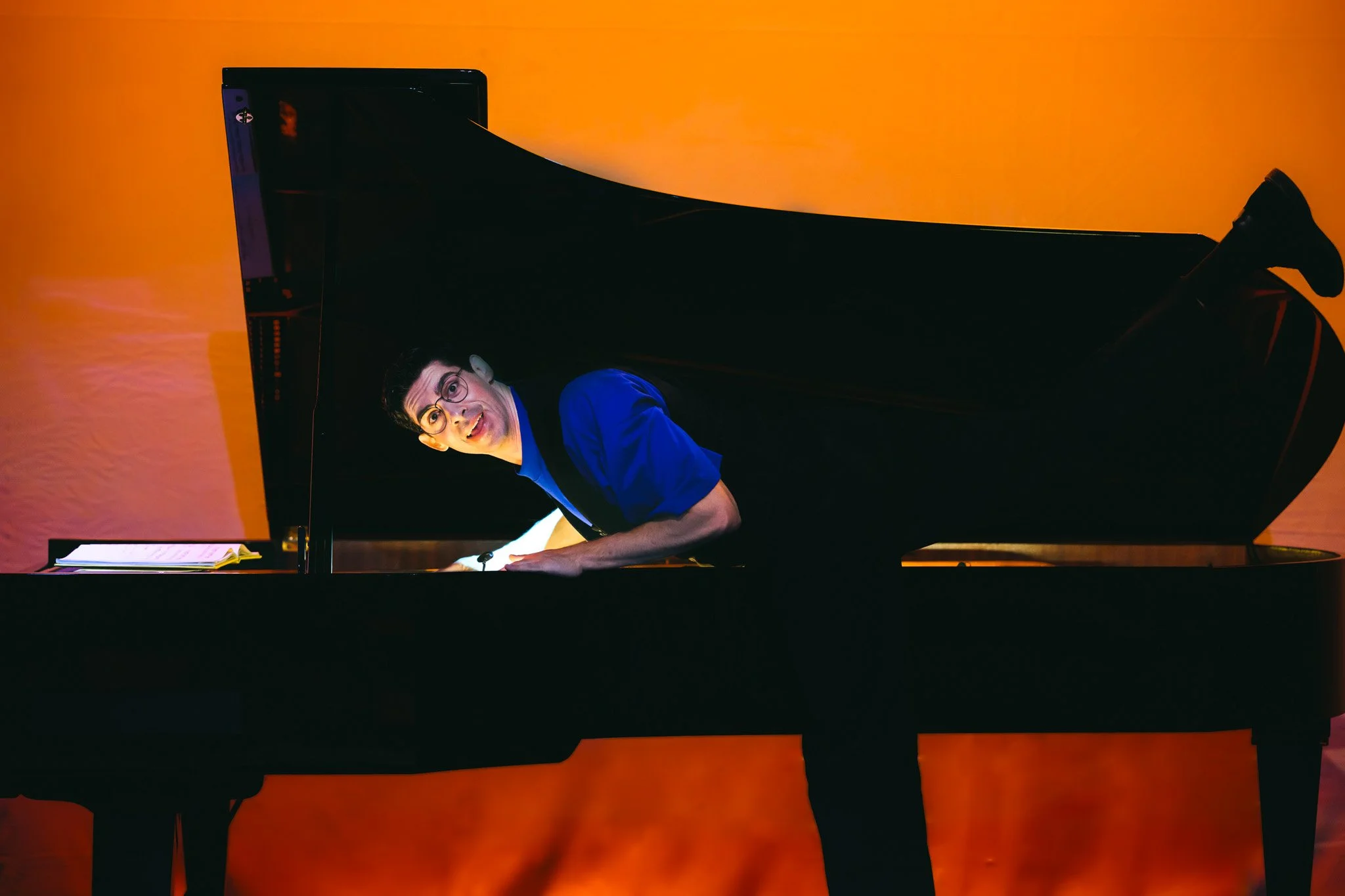
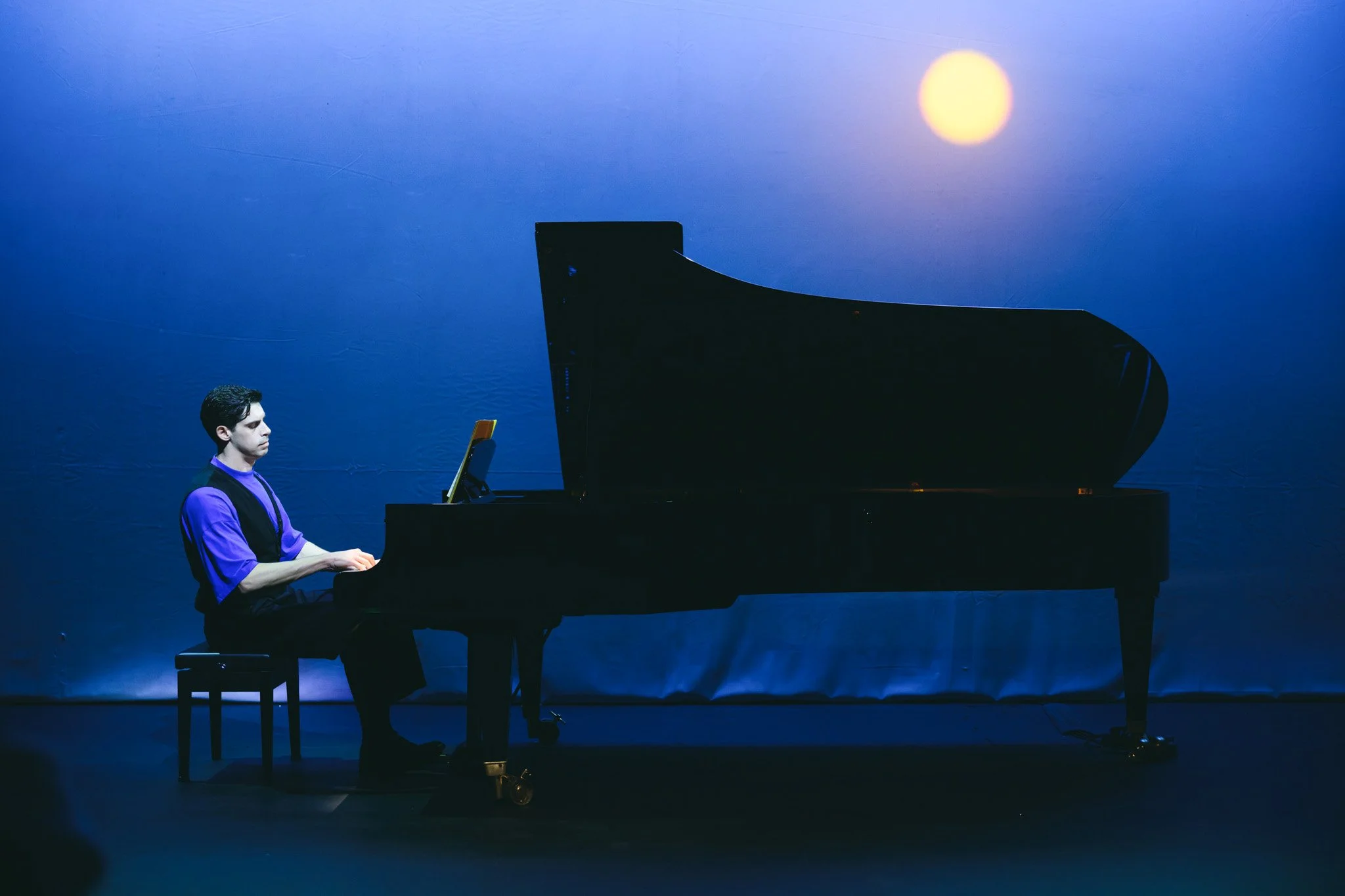
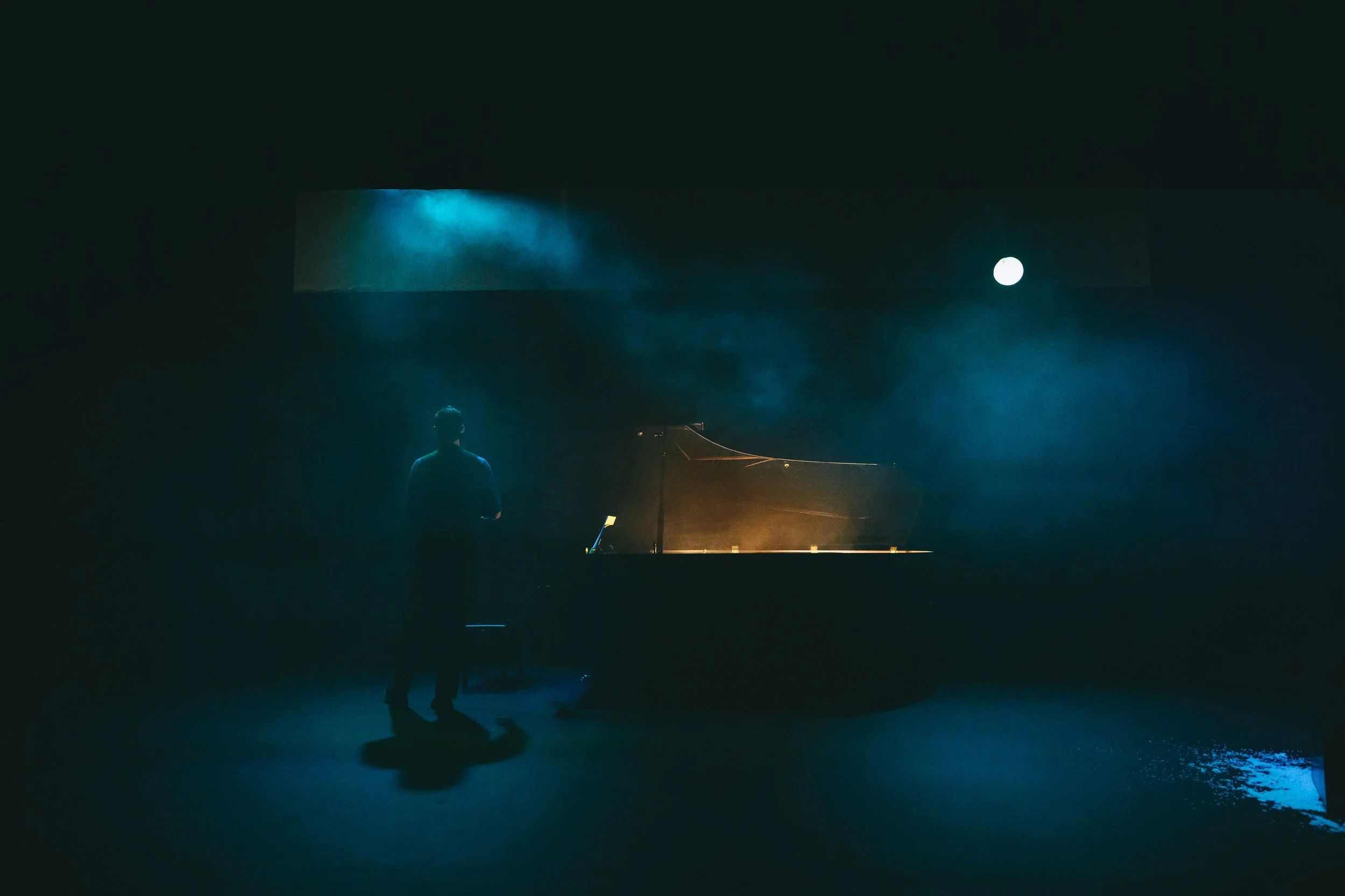
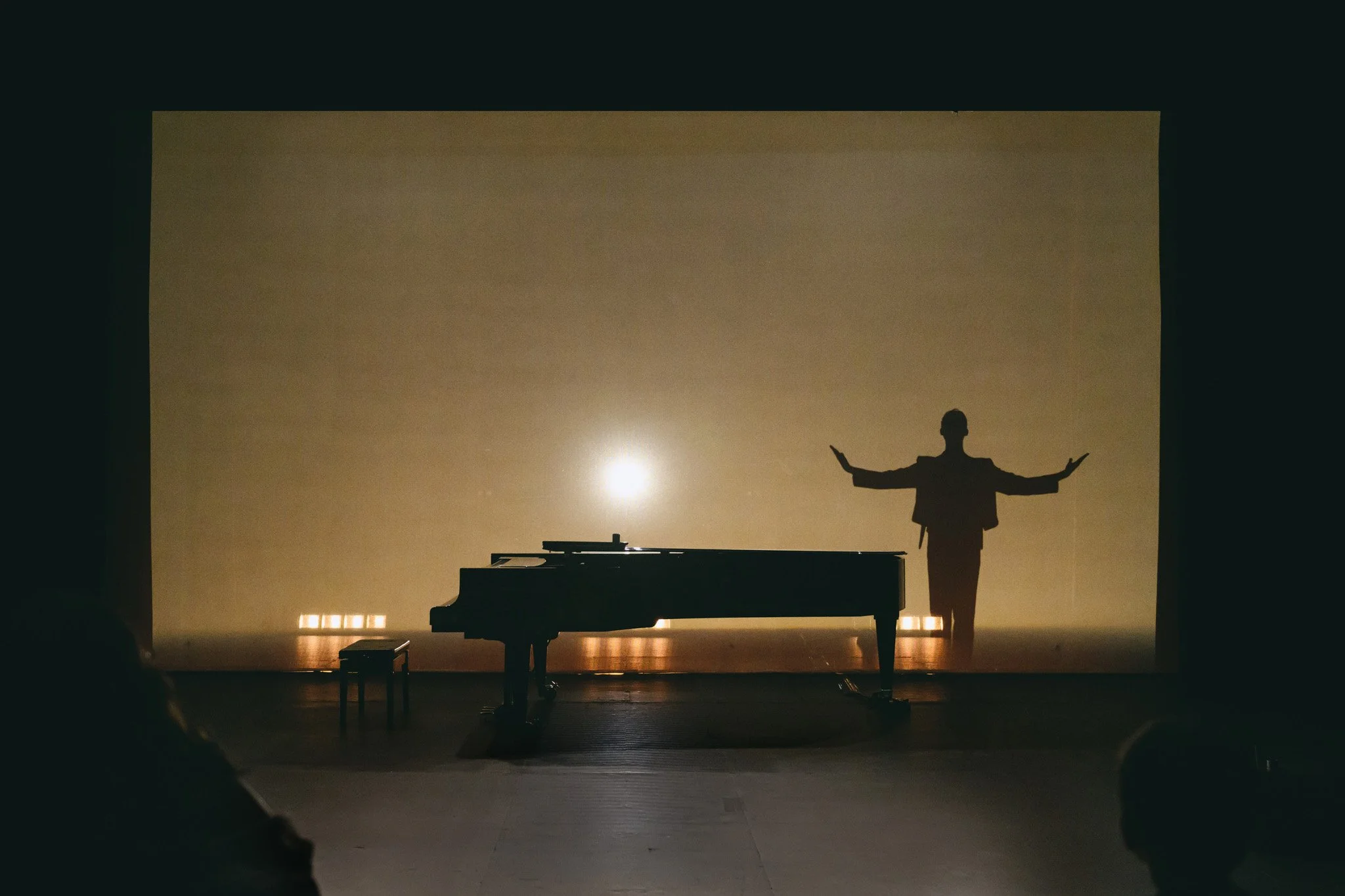
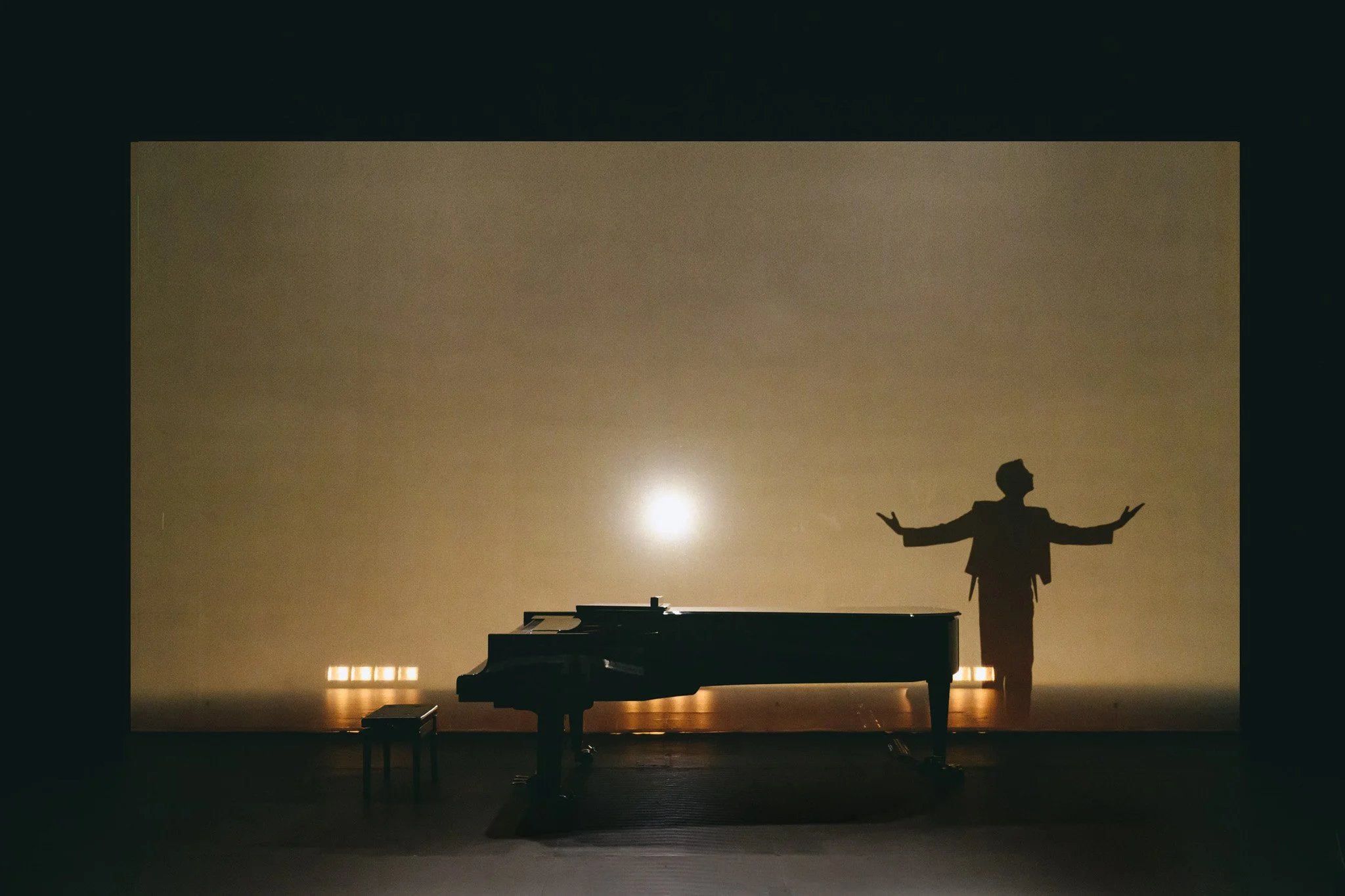
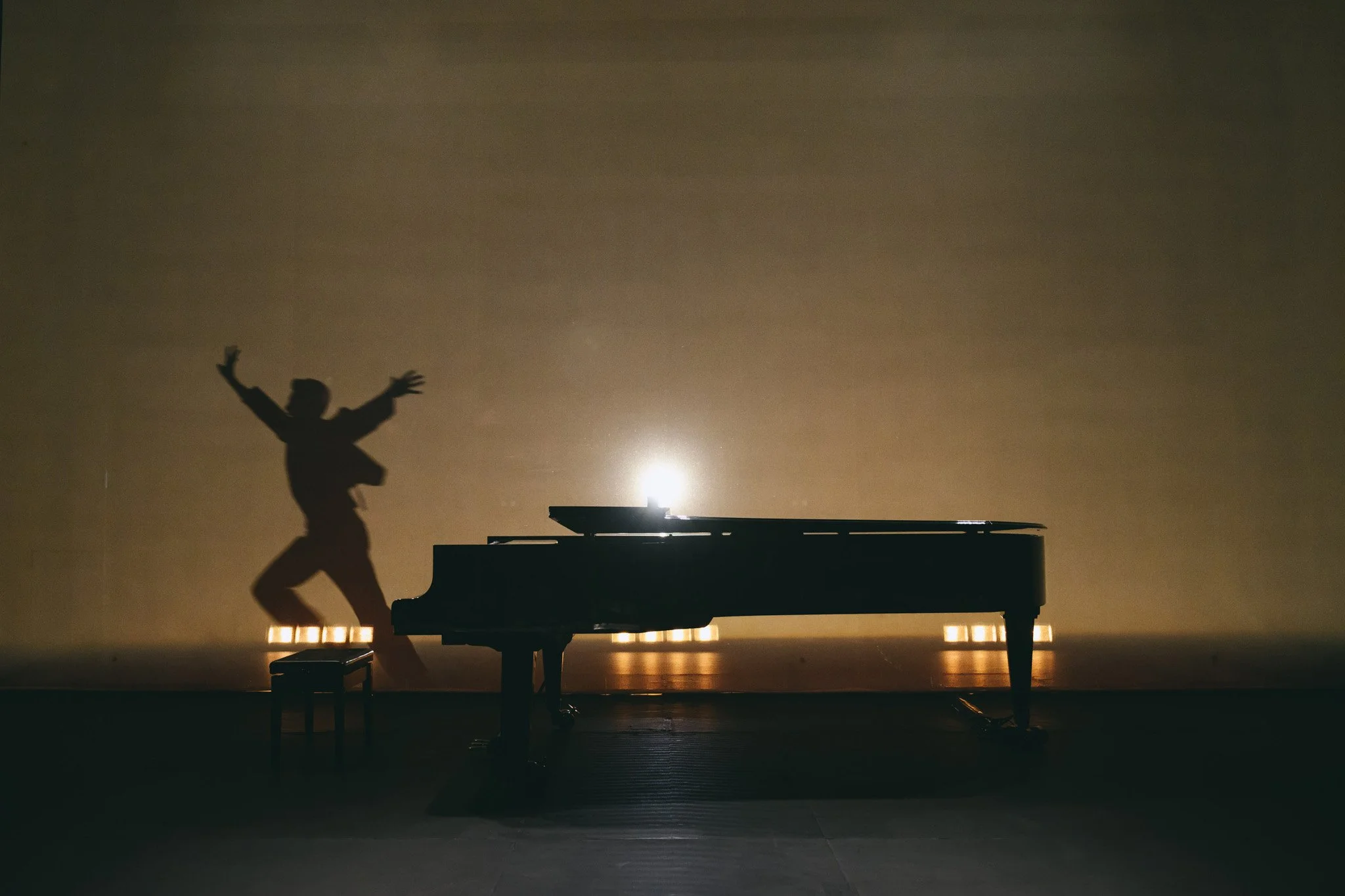
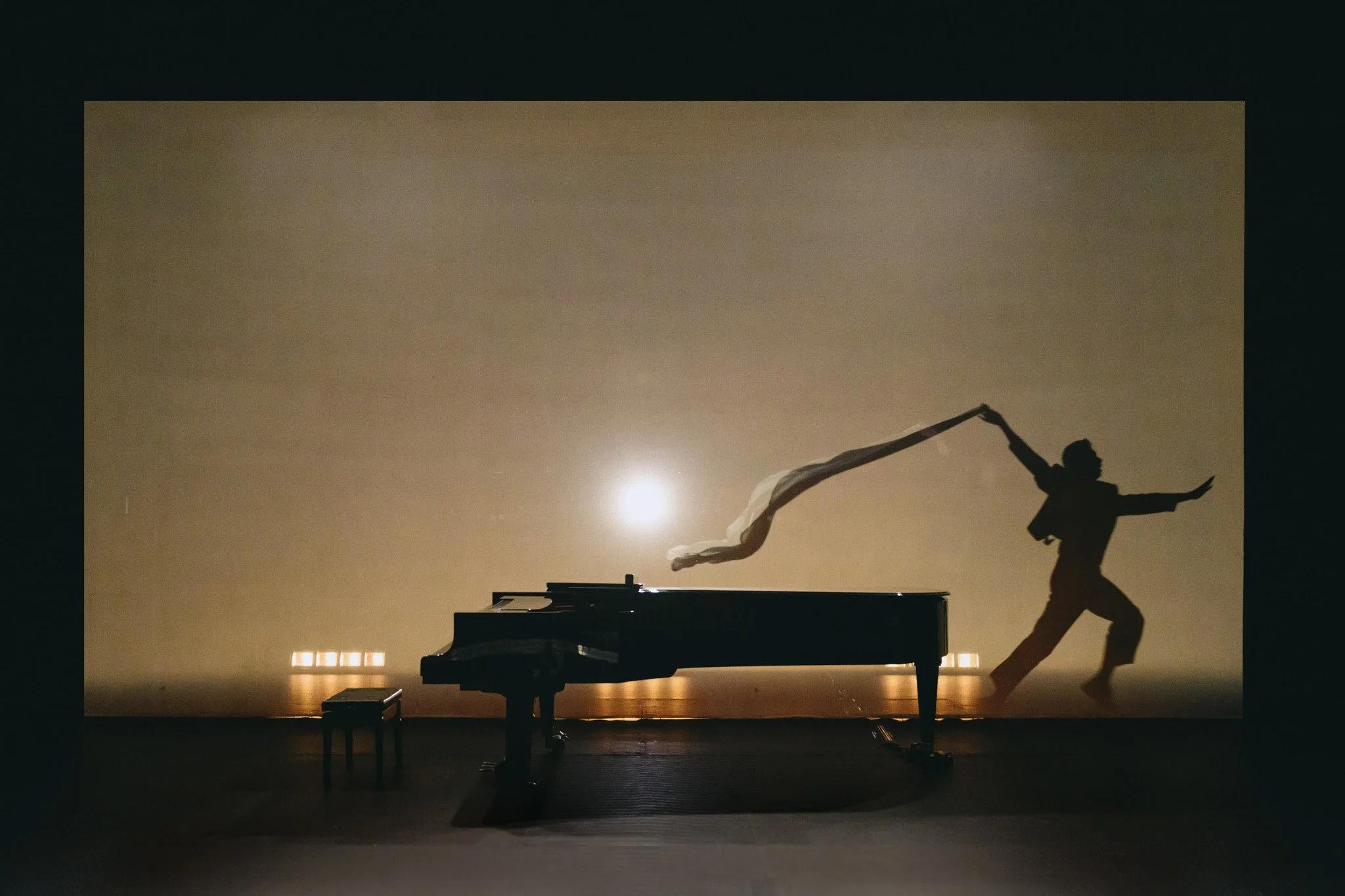
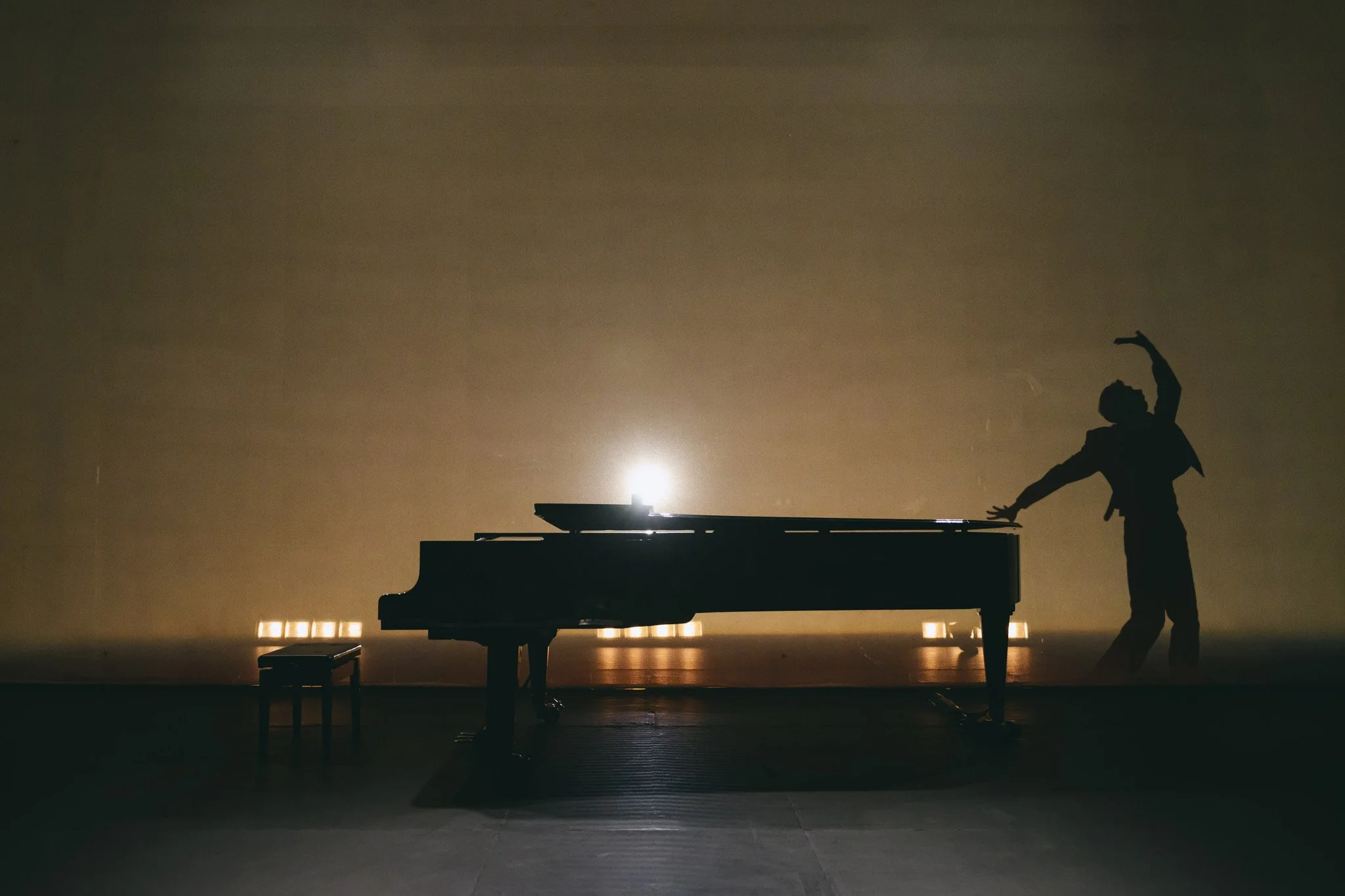
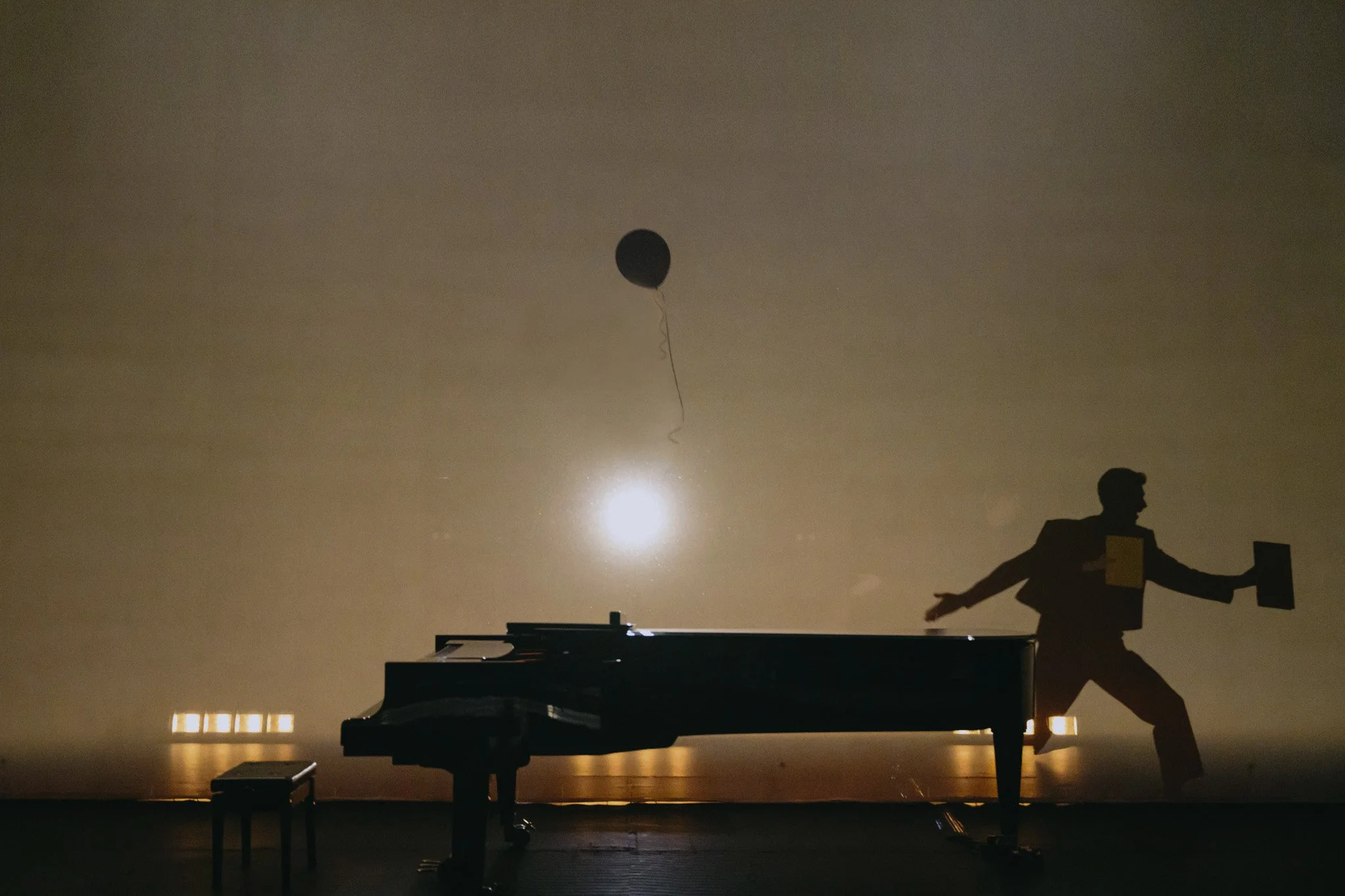
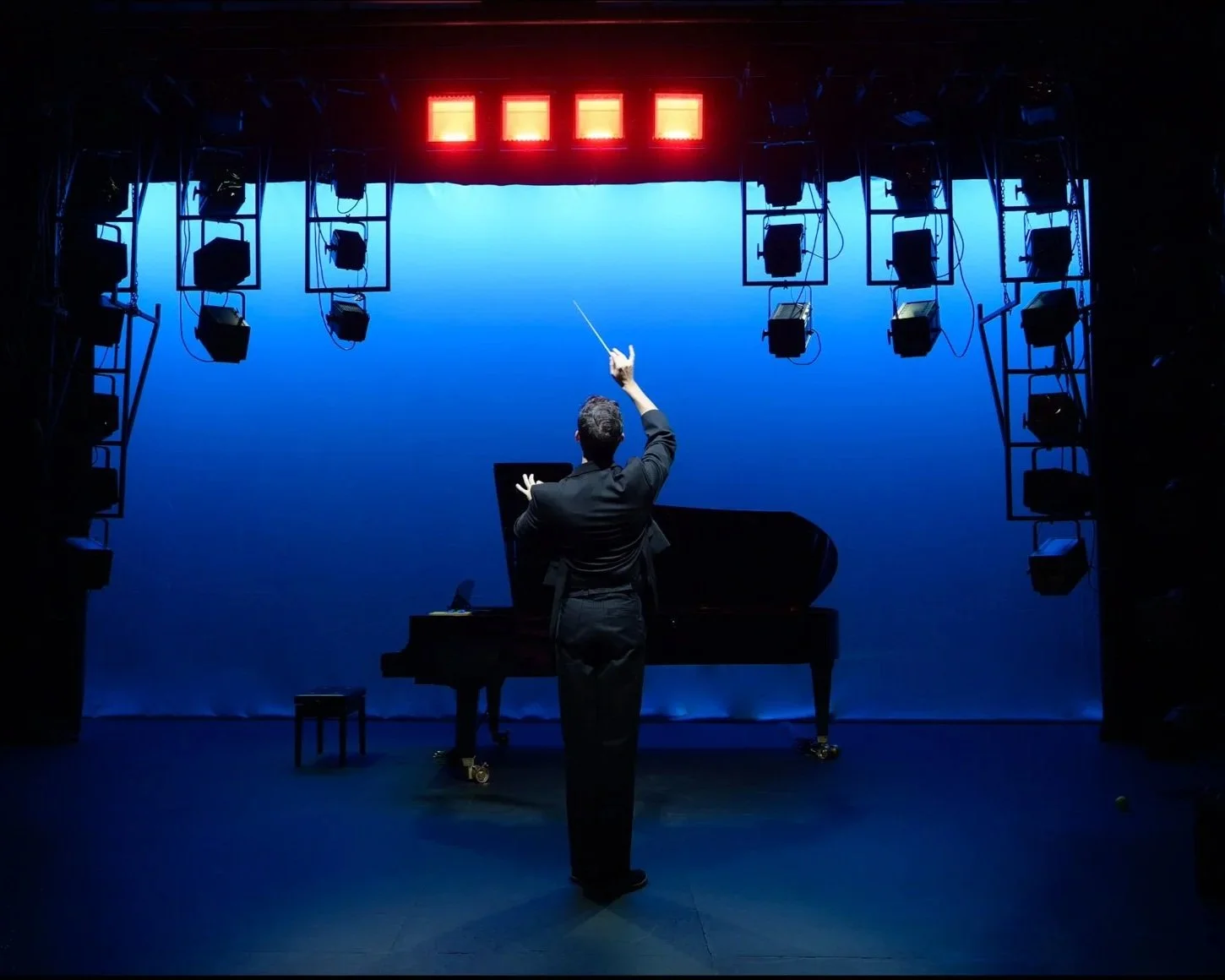
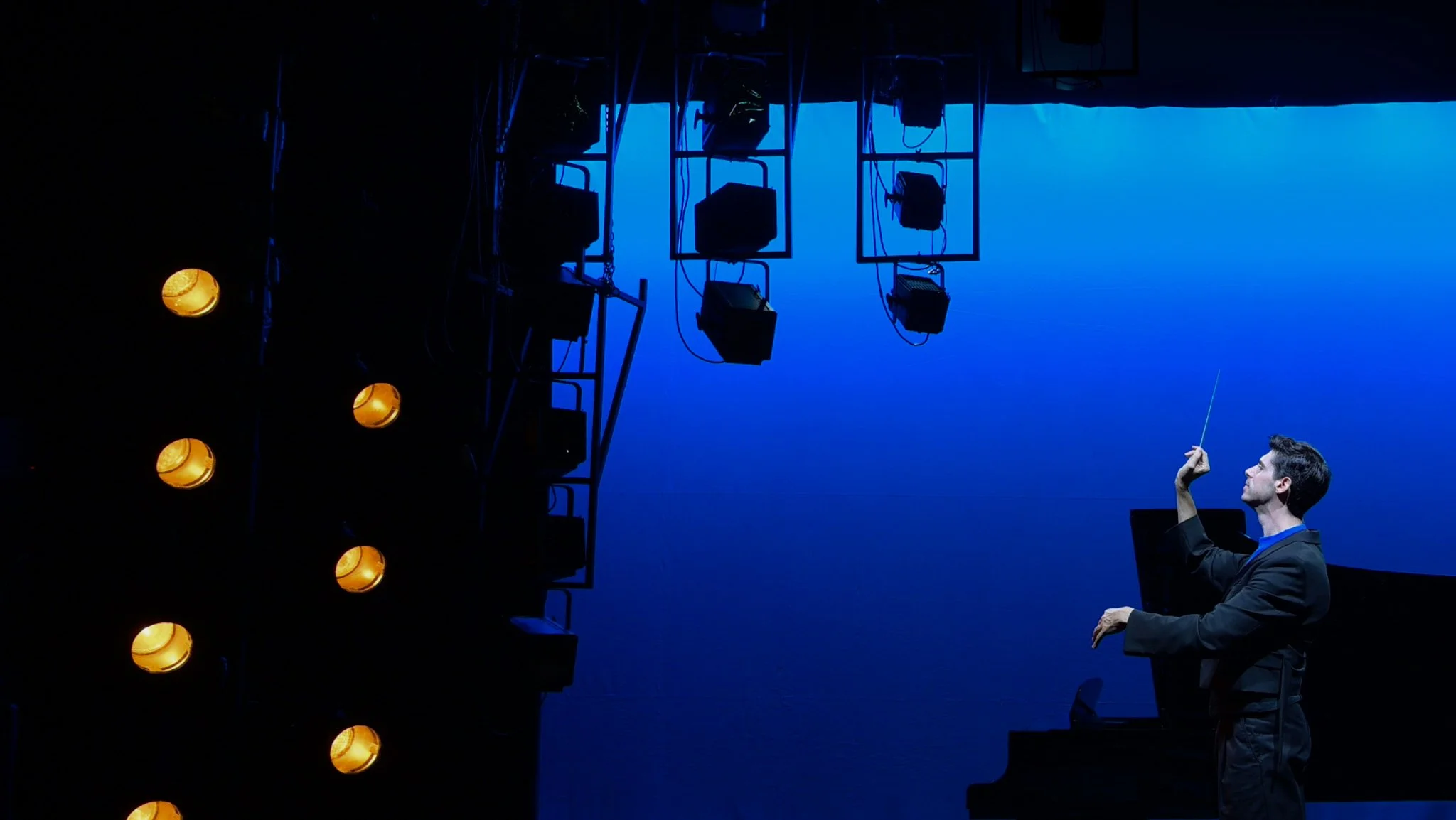
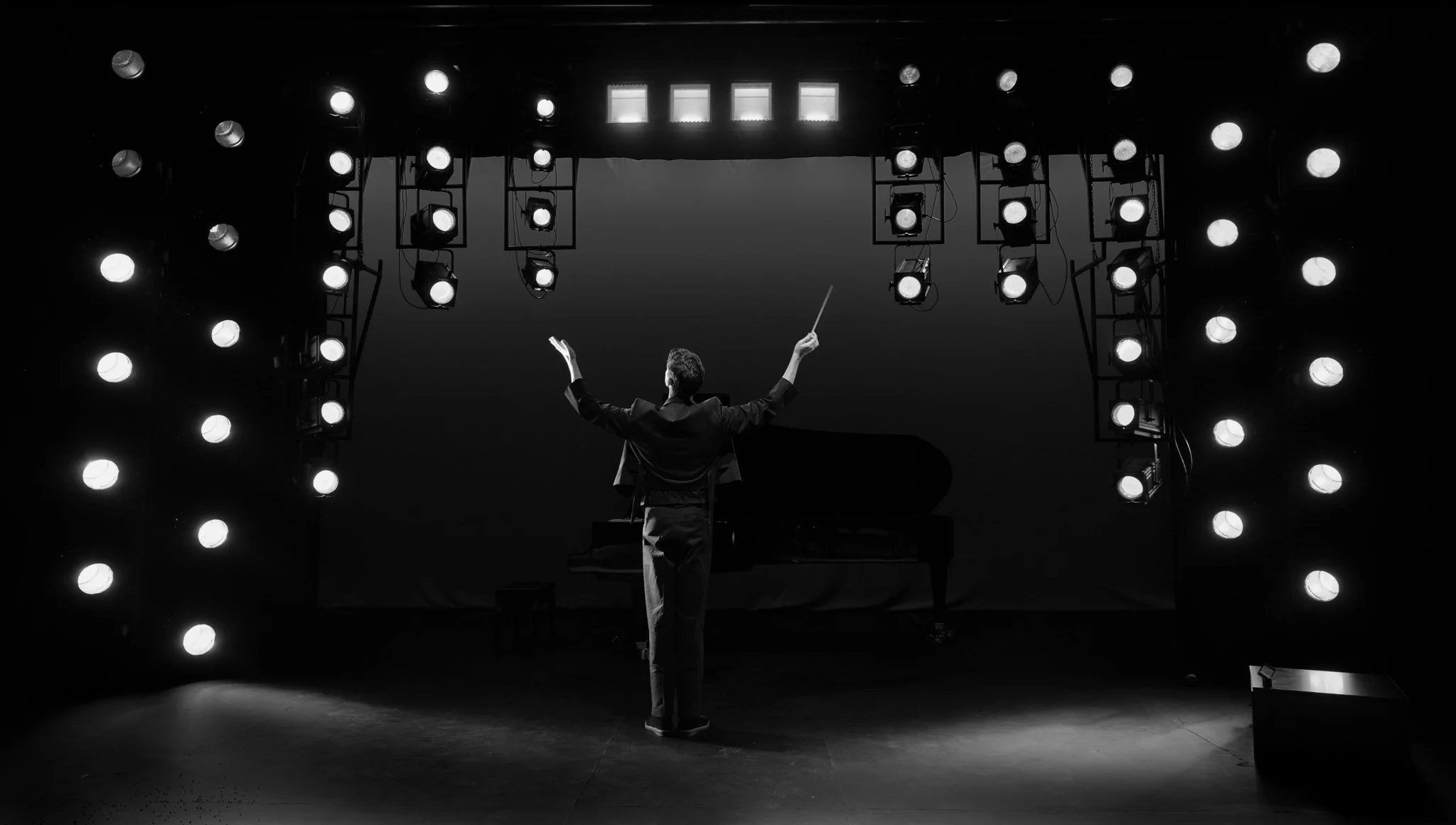
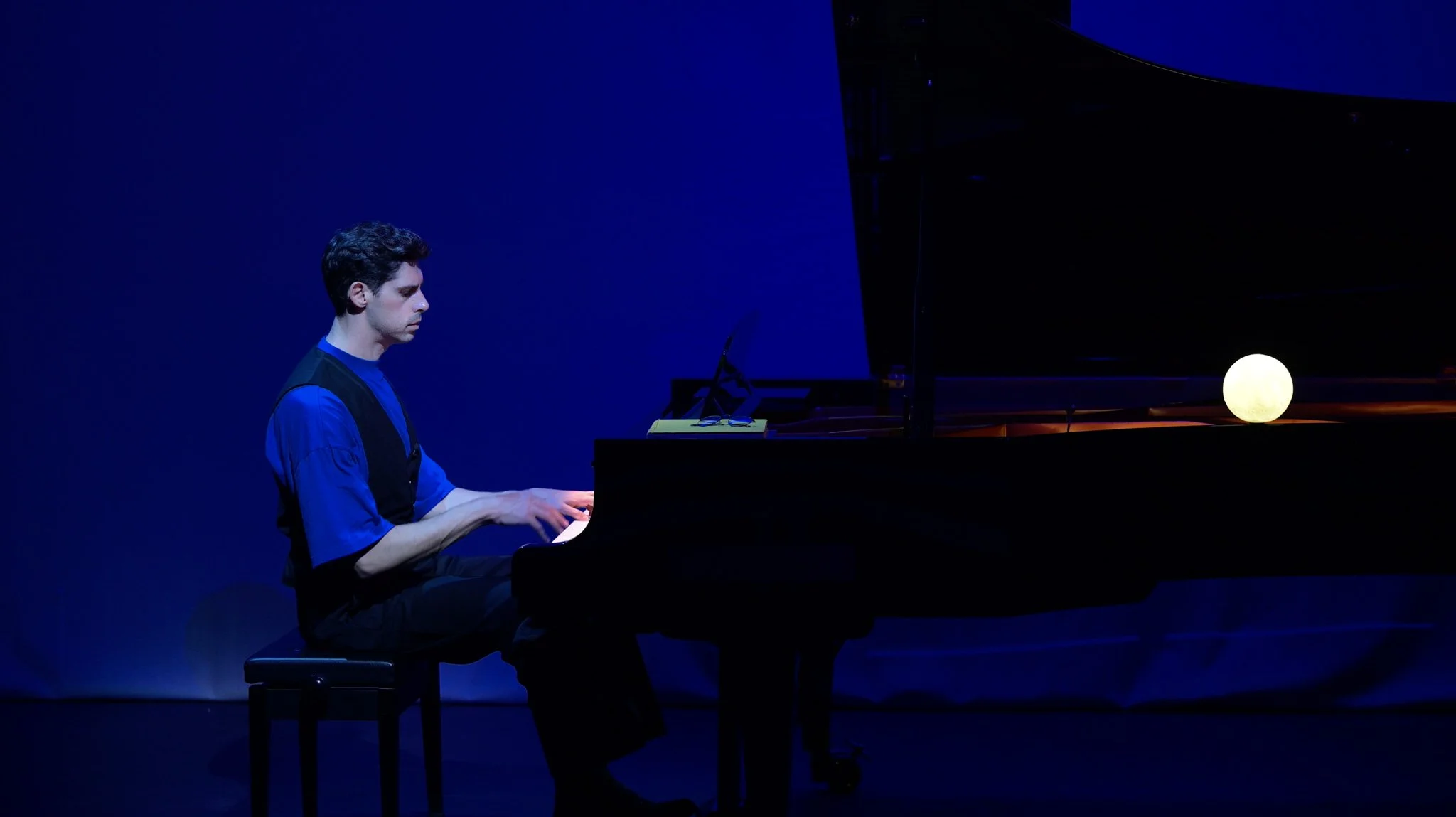
At the heart of the work lies a grand piano, whose 88 keys contain every melody ever written. As a classically trained pianist, Stephanos weaves live performances of classical themes throughout the entire show, while a carefully crafted visual and sensory environment around the grand piano transforms the stage into a dynamic, immersive space.
Drawing inspiration from Bernstein’s Young People’s Concerts series, Droussiotis’ piece tries to tell the story of music from the beginning of time to the digital age through a series of open-ended, philosophical questions:
What is music?
How did it all begin?
What is a melody?
How does it carry emotion?
And where, exactly, do those emotions live?
Rather than providing definitive answers, the piece constantly wonders. It encourages children to trust their instincts when it comes to music, to listen freely and to develop a deeply personal experience with what they hear. The piece ultimately seeks to demystify classical music without diminishing its depth, while presenting it not as something distant or intellectual, but rather as something emotional, playful and personal.
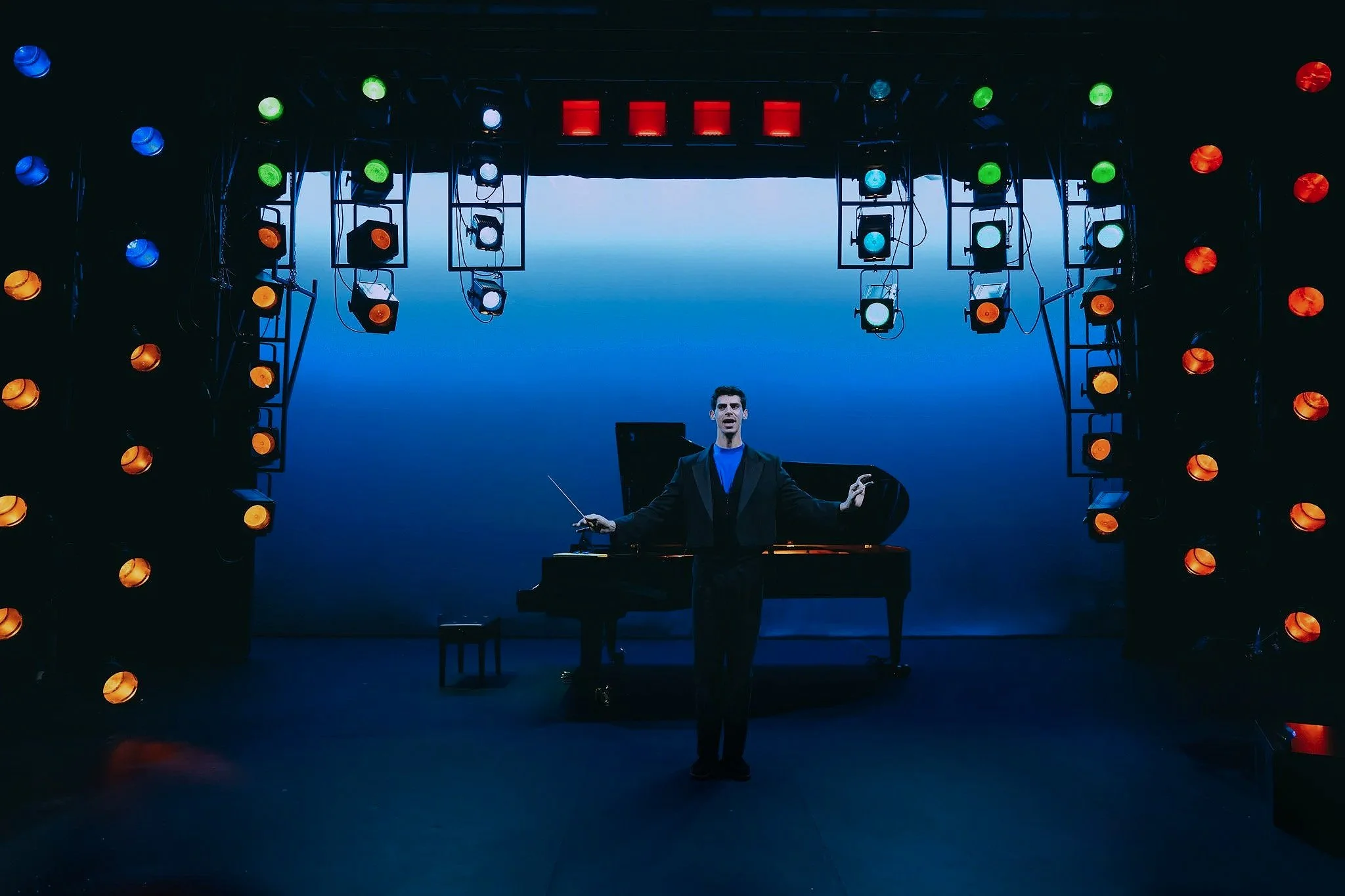
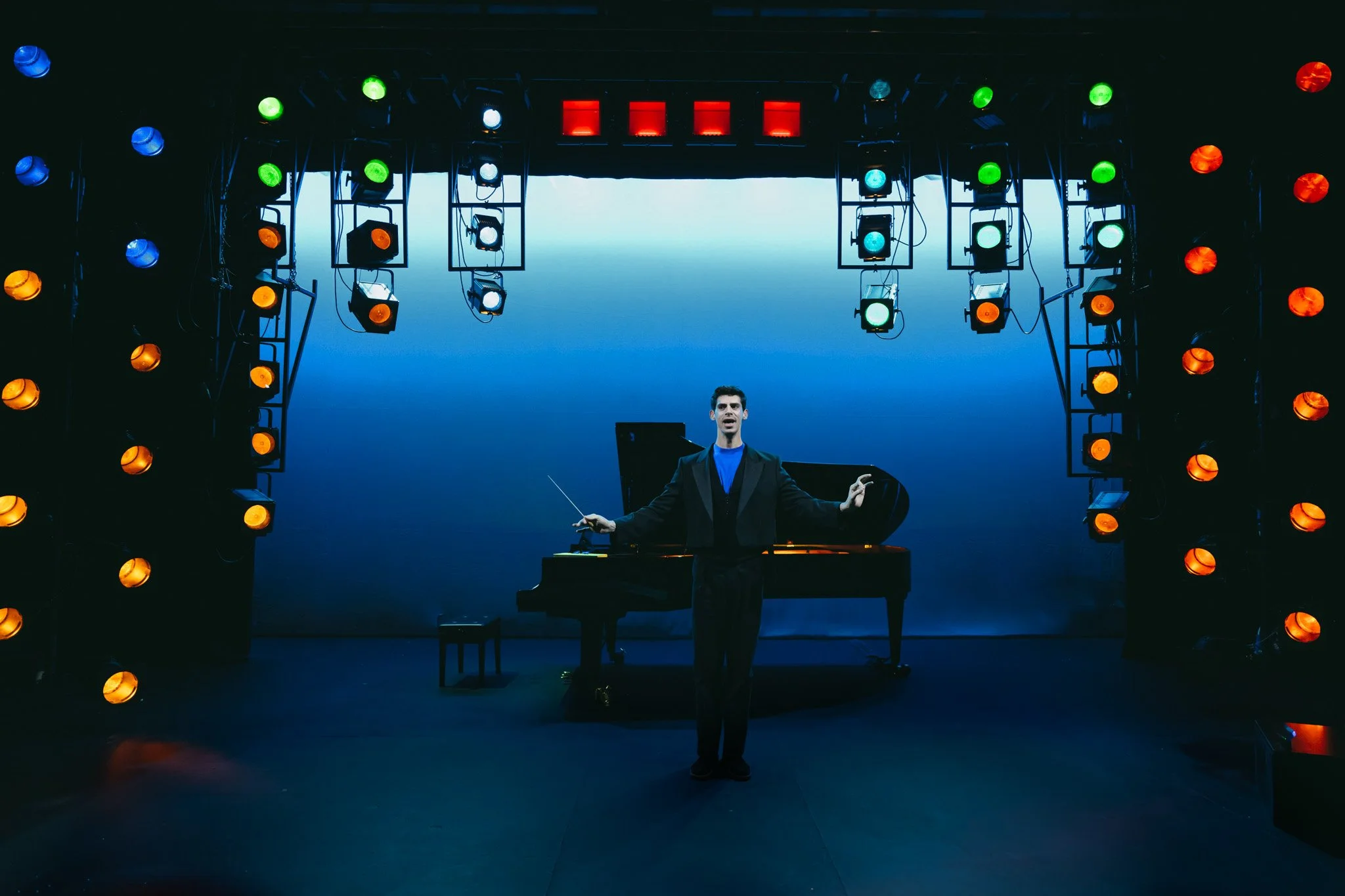
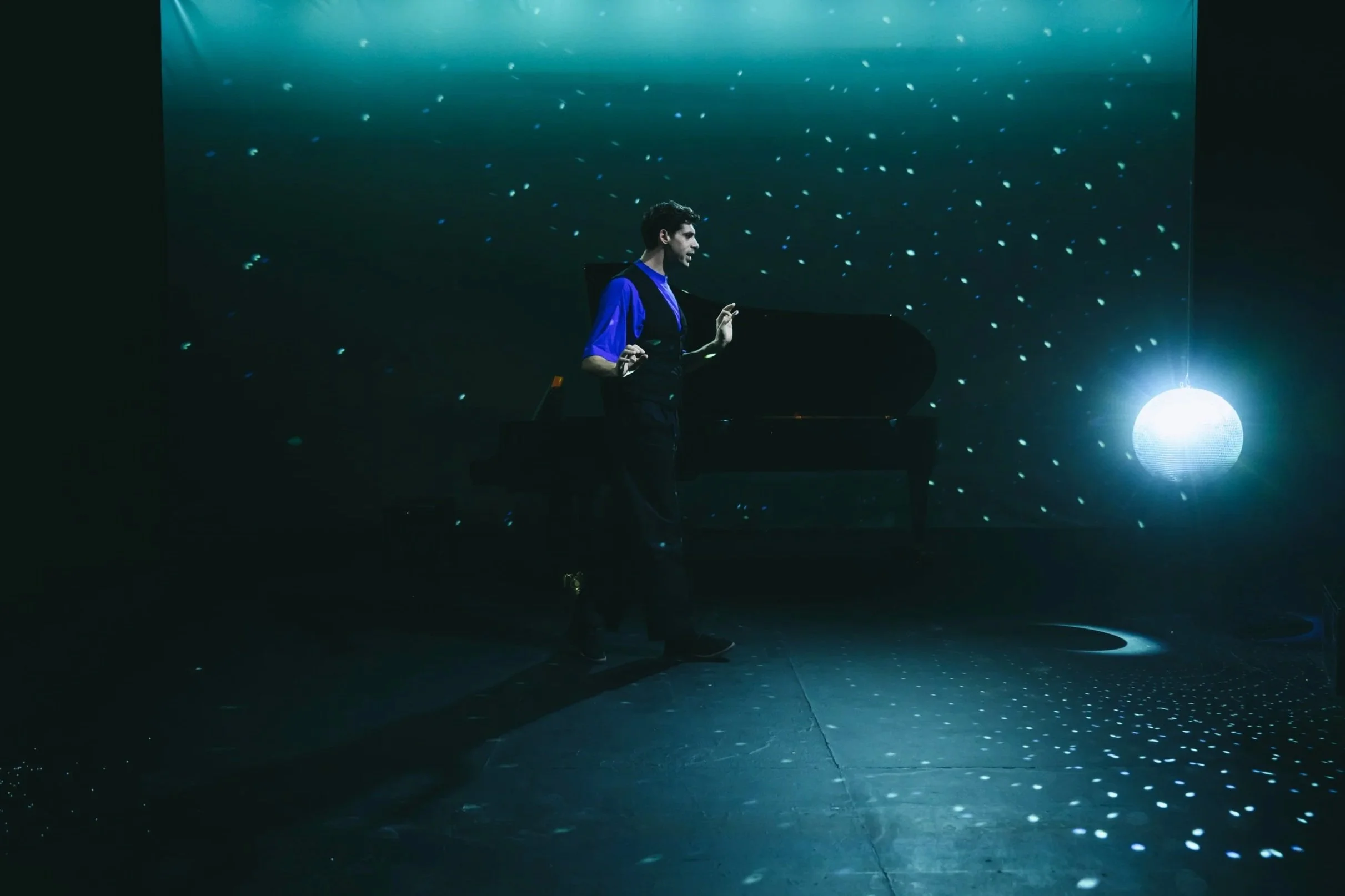
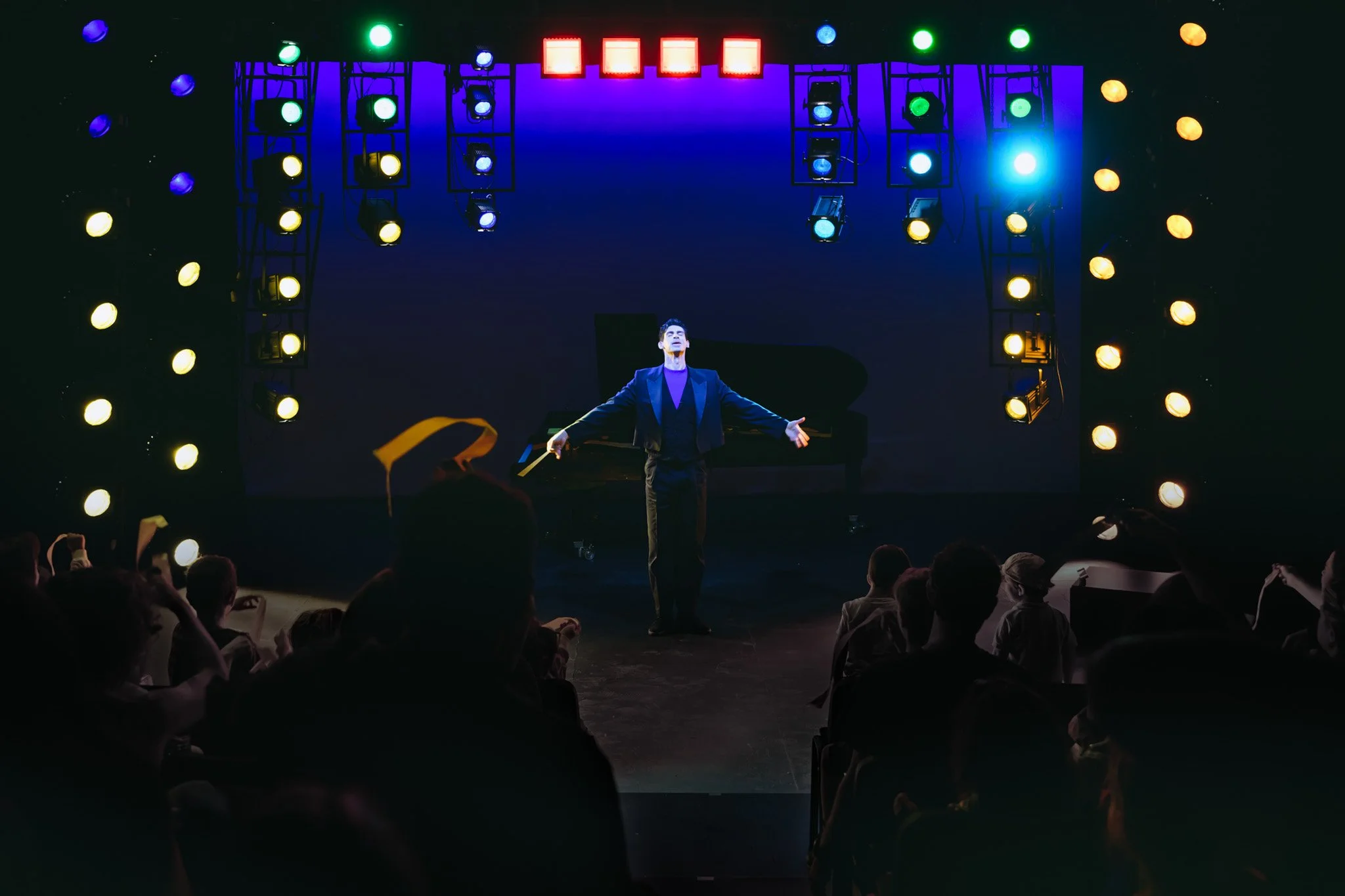
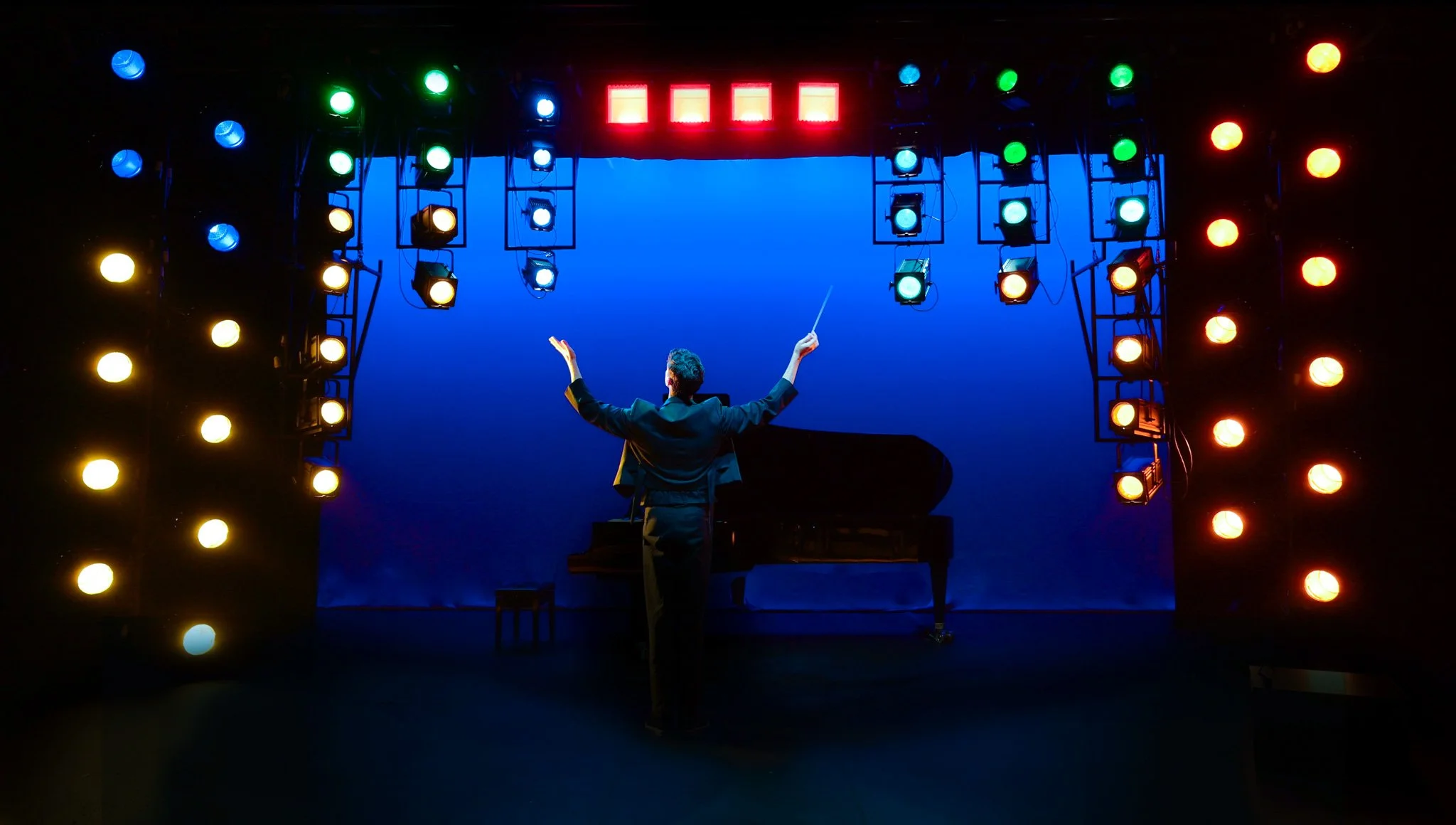
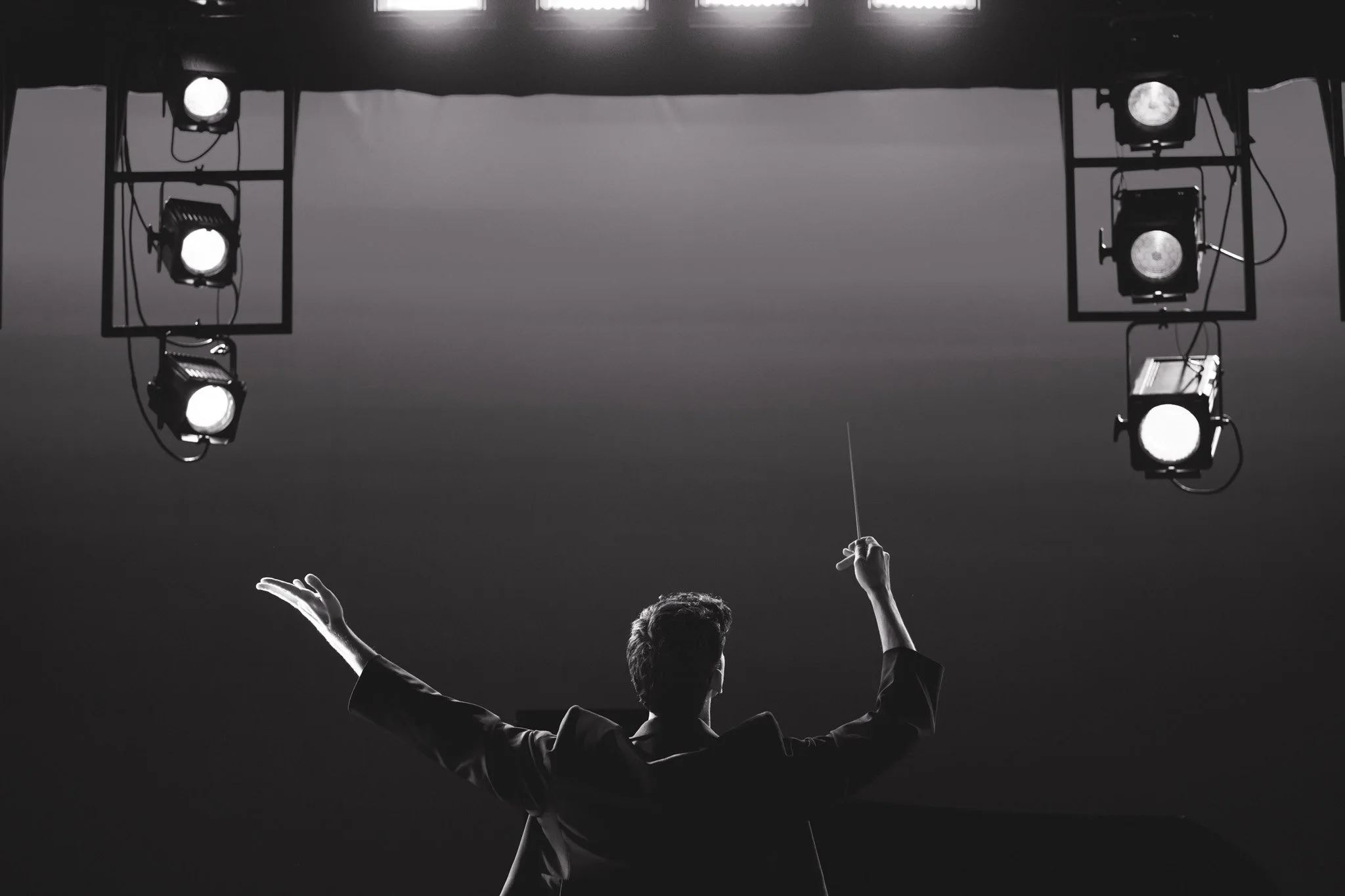
Halfway through the piece, a spectacular structure of lighting fixtures descends from above. Its semi-circular shape and configuration resemble a classical orchestra. There are 58 lighting fixtures arranged in various colours of light. Each instrument is represented by a lighting fixture with a distinct colour of light: yellow for strings, blue for woodwinds, green for brass and red for percussion. As the different instruments are introduced through light and sound, the young spectators are encouraged to actively participate in an interactive game with the orchestra. Each child is paired with an instrument, playfully learning to recognize its tone and hue until, together, they bring to life Mozart’s The Marriage of Figaro overture, performed by both the spectators and this magical “invisible orchestra” of lights.
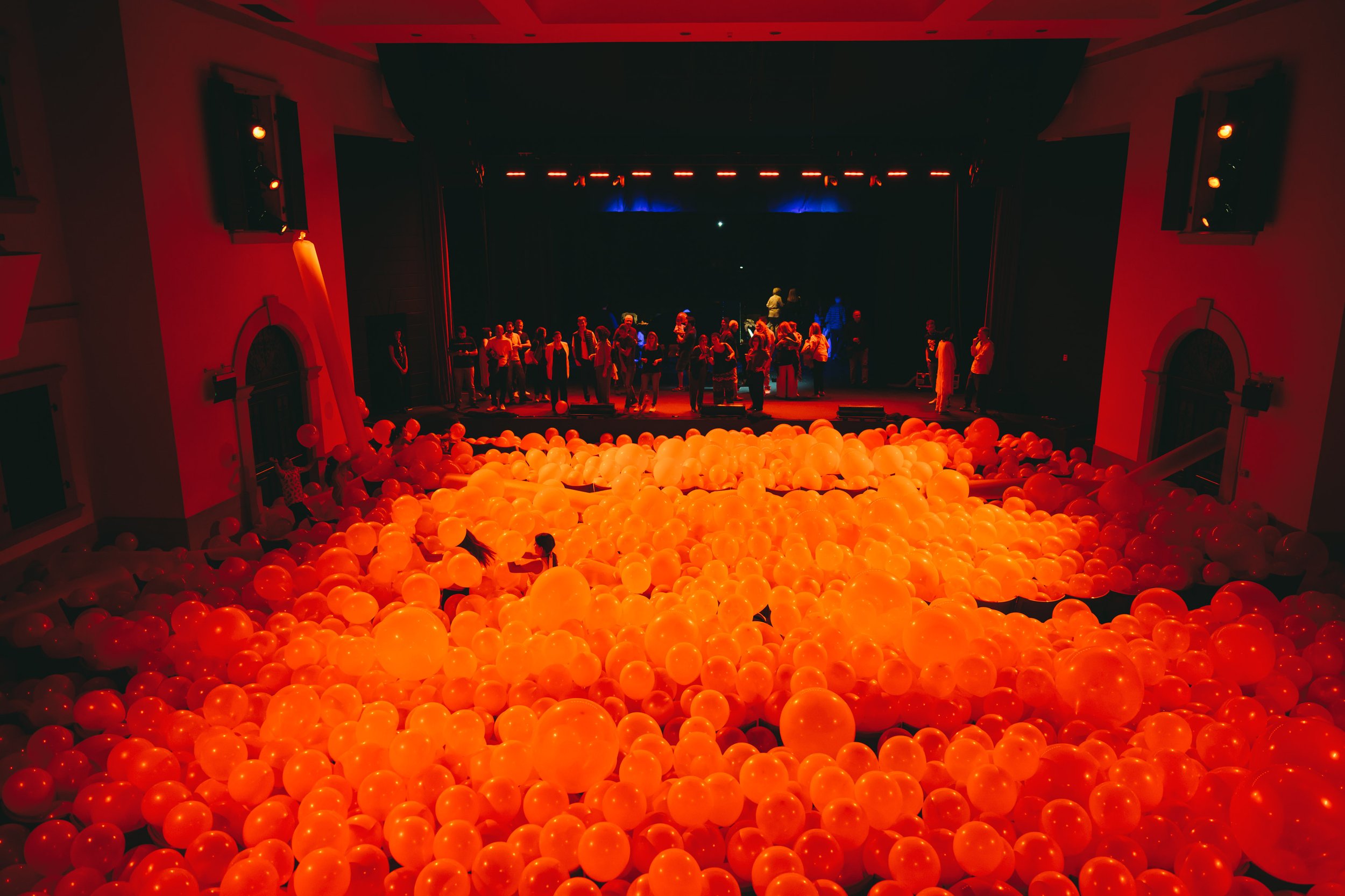
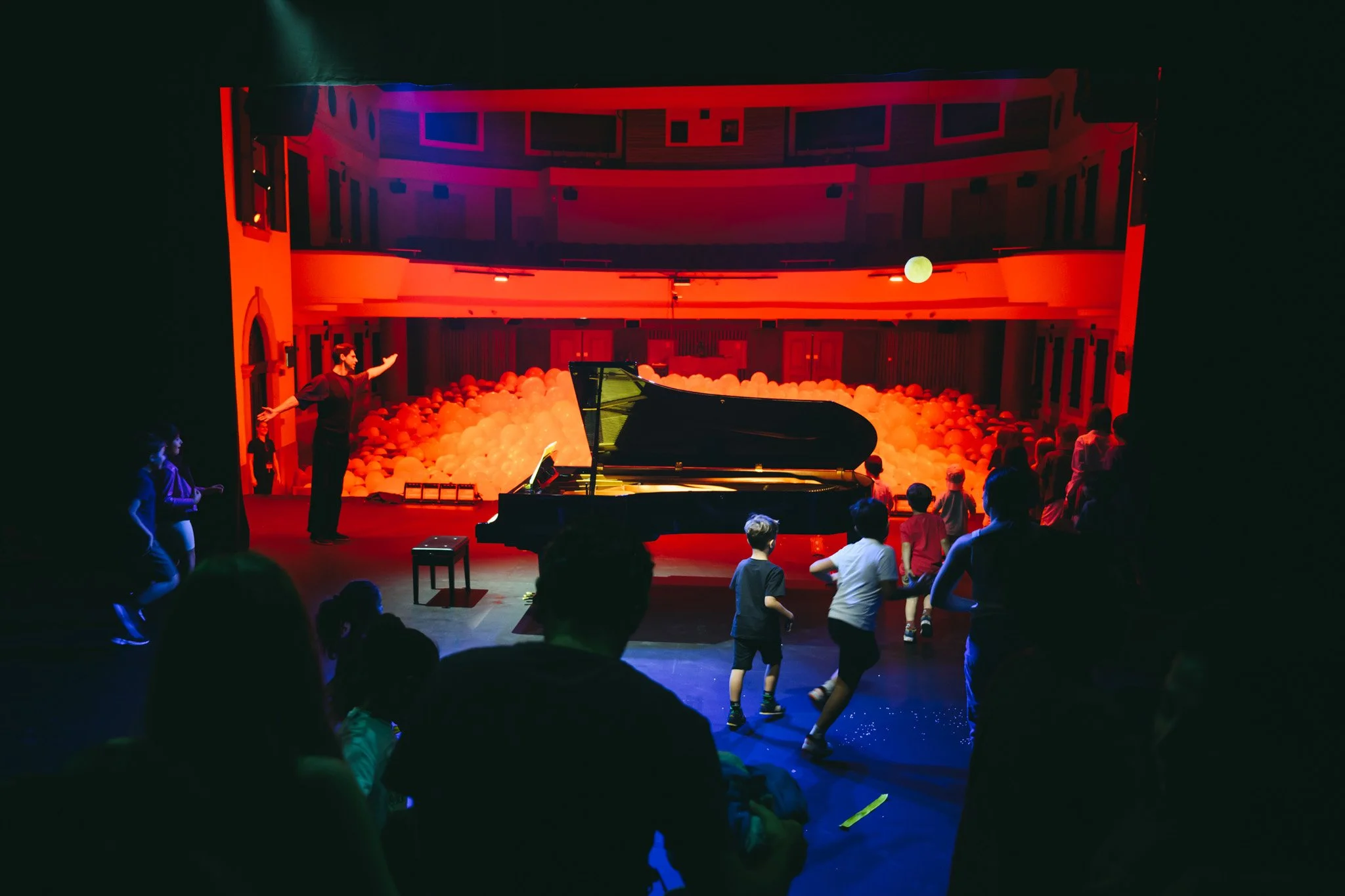
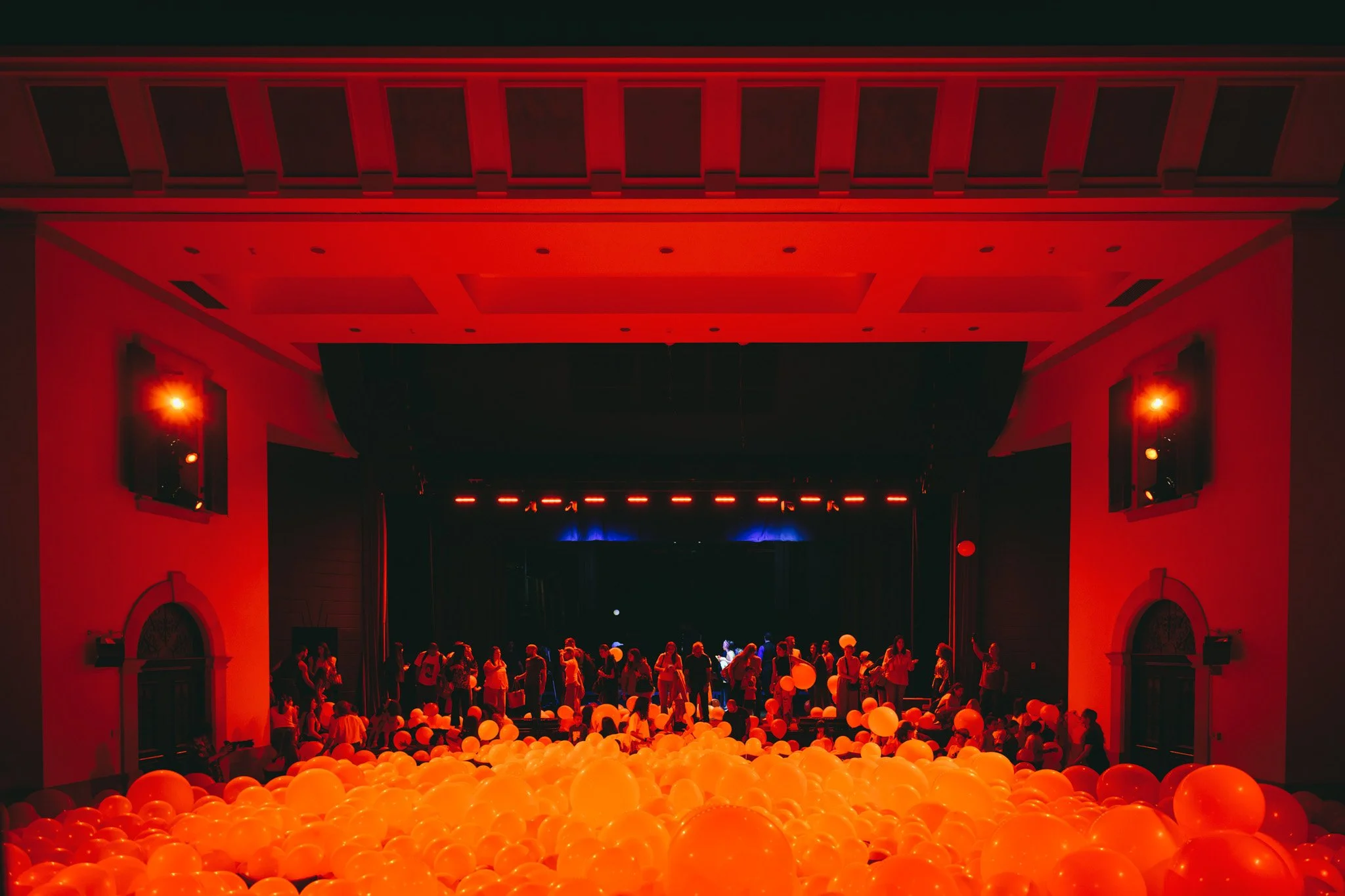
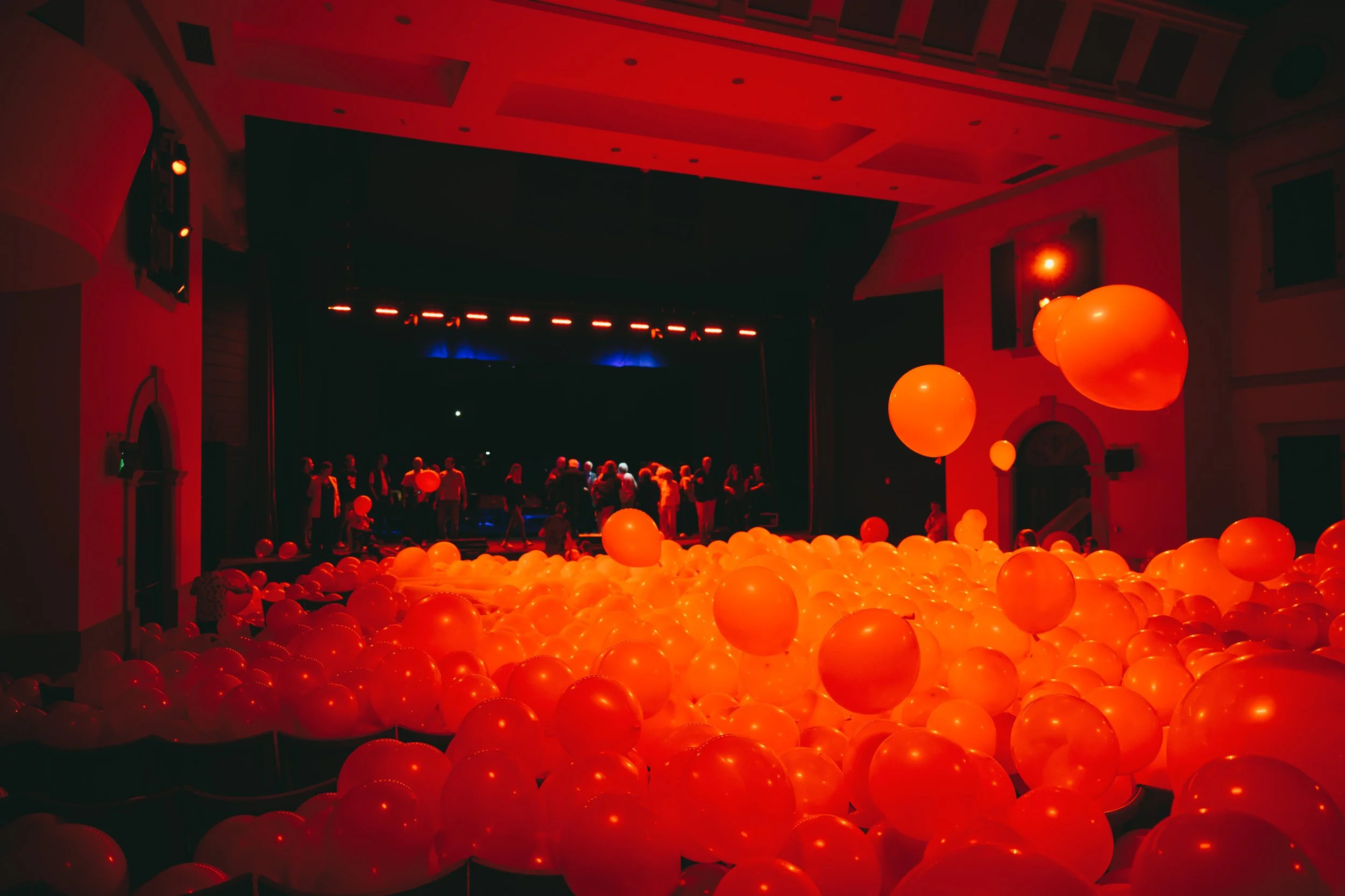
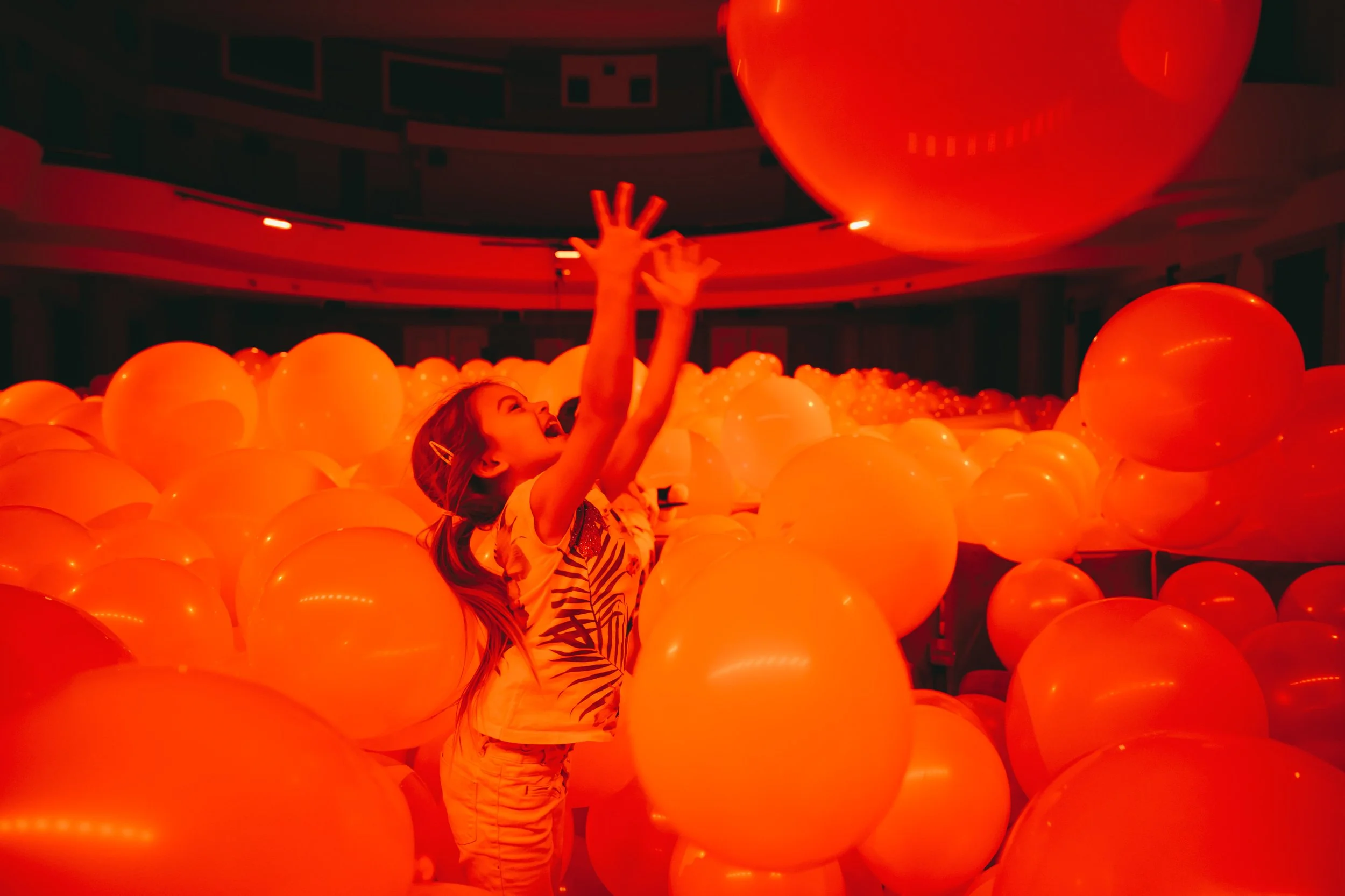
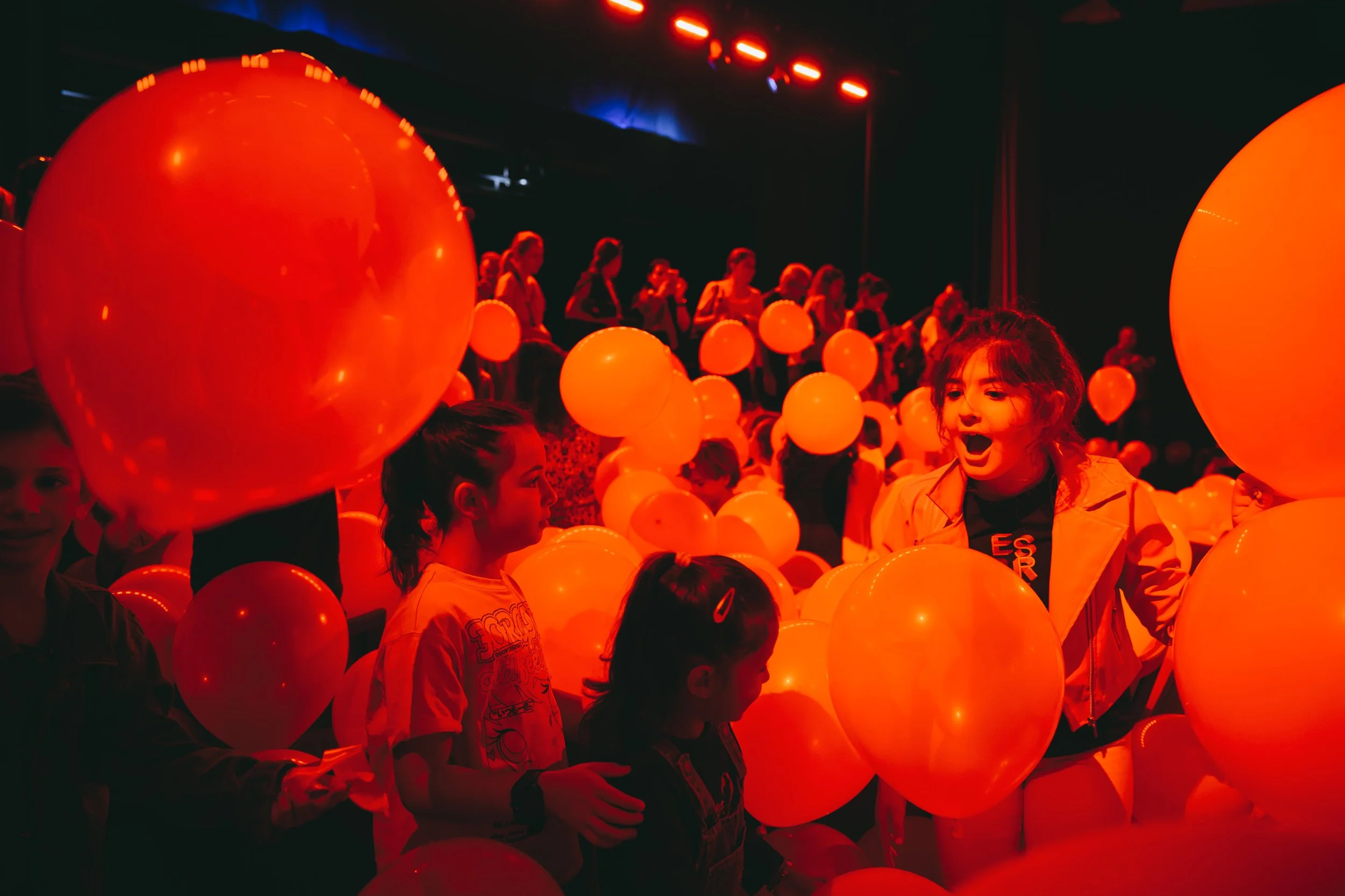
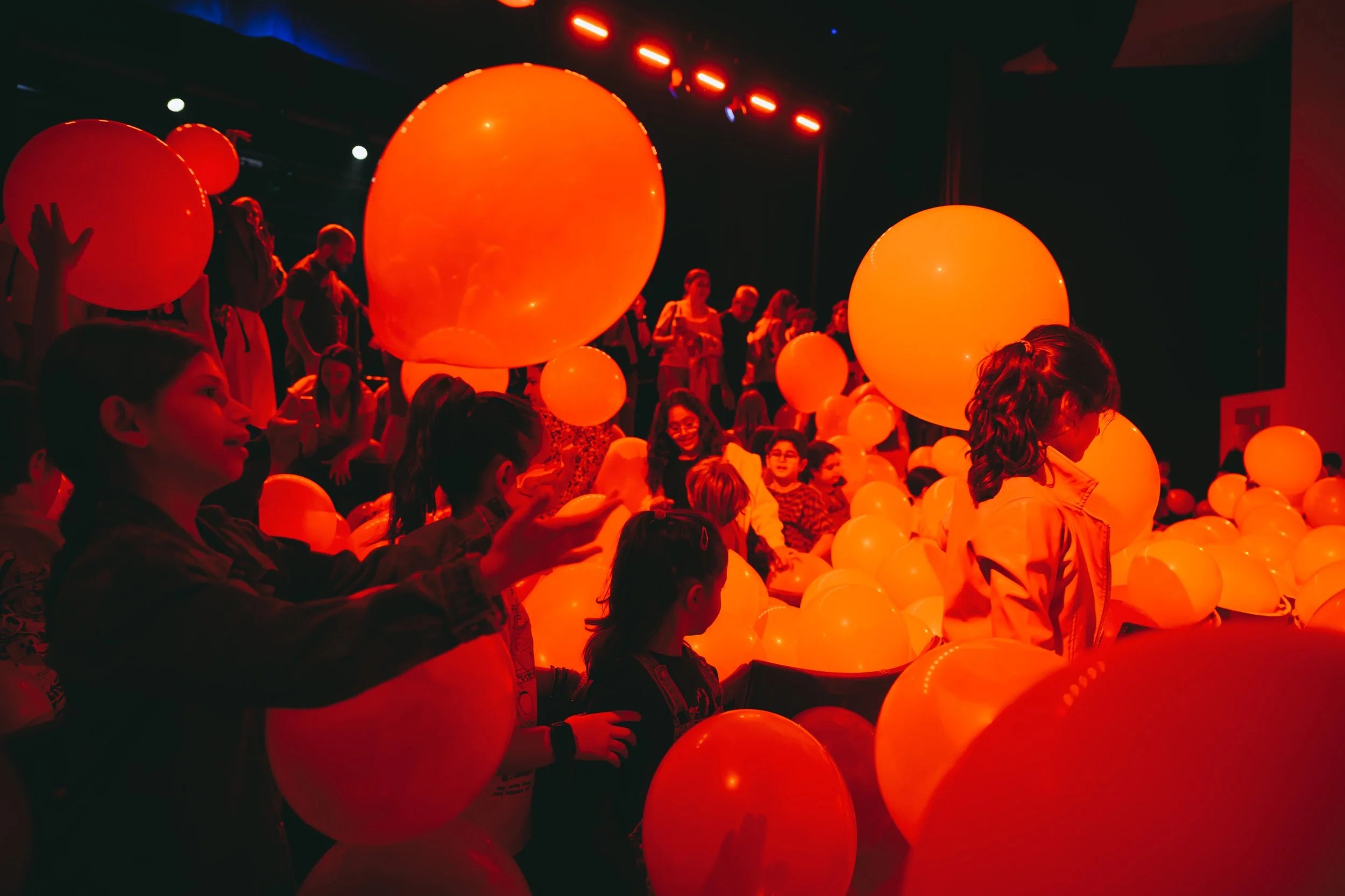
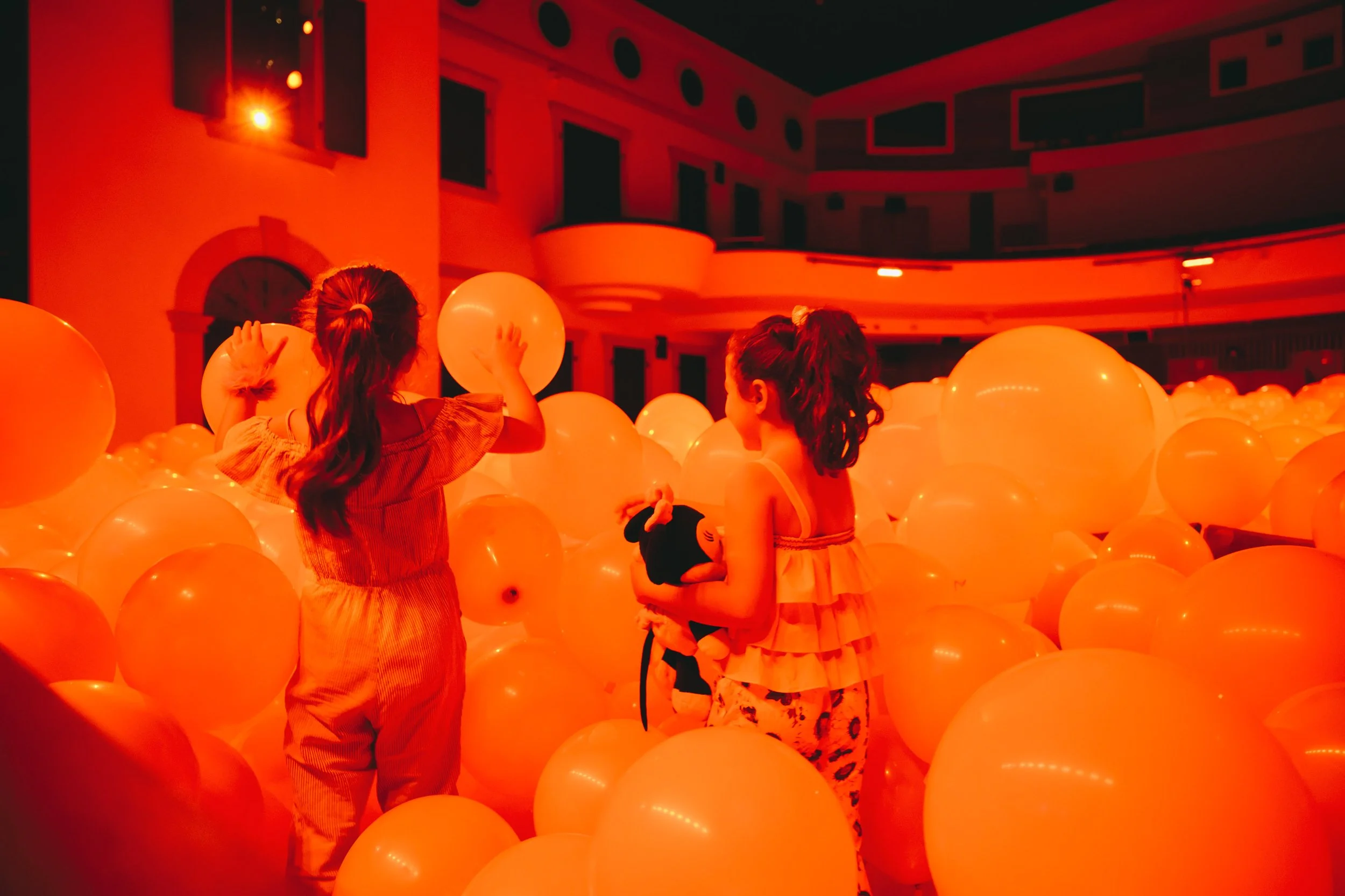
The performance unfolds into a vivid kaleidoscope of sound, light and playful theatrical illusions that gradually climax, lifting the house curtain to reveal a sea of 10,000 orange balloons in the theatre auditorium. The young audience is then invited to leave their seats and dive into this sparkling orange sea of balloons. An original transcription of D. Shostakovich’s famous Waltz No. 2 for piano and orchestra by the creator serves as a comforting accompaniment to the children’s joyful play, transforming their learning experience into a physical, playful and collective memory of what music can be.
The work was commissioned by the Rialto Theatre as part of the Artist-in-Residence Program 2024.
written, directed, visualised and performed by
Stephanos Droussiotis
music by
G. Rossini, W.A. Mozart, L.V. Beethoven, R. Strauss, P. I. Tchaikovsky, D. Shostakovich
set, lighting and video design
Stephanos Droussiotis
costume design
Kyriacos Karseras
sound composition
Giorgos Poulios
assistant to the director
Daphne Miltiadou
special lighting constructions
George Ierapetritis
technical direction
Andreas Pavlou
lighting programmer
Vasilis Petinaris
head lighting technician
Antonis Stefanou
sound engineer
Andreas Pavlou
flyman - live operation
Theofilos Theofilou
additional show calling
Harrys Nicolaou
acting coaching
Fotini Papachristopoulou, Marina Vrondi
production coordinator
Constantia Costi
media and communication
Niki Vasiliou
Olivia Christou
photography
Pavlos Vryonidis
videography
Susana Phialas, Pavlos Vryonidis
commissioned by
Alexis Vassiliou (artistic director - Rialto Theatre)
produced by
Rialto Theatre Limassol
a very special thank you for their help to:
Andreas Droussiotis, Dea Droussiotou, Marianna Droussiotou, Alexis Vayianos, Lia Haraki, Martinos Demosthenous, Iro Nisantzi, Melissanthi Desmosthenous, Gela Christopoulou, Harrys Nicolaou, Ioanna Agiomamitou, Anna Nicolaou, Kyriacos Karseras, Yorgos Syrmas, Tina Tzoka, Alexandra Matheou, Alexia Pericleous, Vassilis Kyriakopoulos, Neos Kosmos Theatre
photos by Pavlos Vryonidis